

Anjali Advani, MD
Director, Inpatient Leukemia Unit, Cleveland Clinic Taussig Cancer Institute, Professor of Medicine, Cleveland Clinic Lerner College of Medicine, Chair, Data Safety and Monitoring Committee, Case Comprehensive Cancer Center, Cleveland, OH
Adolfo Aleman, PhD
Assistant Professor, Hematology and Medical Oncology, Associate Director of Translational Research, Center of Excellence for Multiple Myeloma, Ichan School of Medicine at Mount Sinai, New York, NY
Ash Alizadeh, MD, PhD
Moghadam Family Professor of Medicine, Division of Oncology & Hematology, Stanford University, Stanford, CA
Yosra Aljawai, MD, MS
Assistant Professor, Department of Stem Cell Transplantation and Cellular Therapy, Division of Cancer Medicine, The University of Texas MD Anderson Cancer Center, Houston, TX
Jennifer Amengual, MD
Associate Professor of Medicine, Division of Hematology and Oncology, Center for Lymphoid Malignancies, Hebert Irving Comprehensive Cancer Center, Columbia University Irving Medical Center, New York, NY
Cecilia Arana Yi, MD
Director of Leukemia Services, Senior Associate Consultant, Division of Hematology/Oncology, Mayo Clinic, Phoenix, AZ
Samuel Urrutia Argueta, MD
Assistant Professor of Medicine, Division of Oncology, Washington University School of Medicine, St. Louis, MO
Muhamed Baljevic, MD, FACP
Associate Professor of Medicine, Division of Hematology Oncology, Vanderbilt University Medical Center, Director, Multiple Myeloma Program, Director, Vanderbilt Amyloidosis Multidisciplinary Program (VAMP), Co-chair, VICC Protocol Review and Monitoring System, Vanderbilt-Ingram Cancer Center, Nashville, TN
Jacqueline Barrientos, MD, MS
Chief, Hematologic Malignancies, Director, Oncology Research, Mount Sinai Medical Center, Adjunct Professor of Medicine, Zucker School of Medicine at Hofstra/Northwell, Adjunct Associate Professor, Feinstein Institutes for Medical Research, Miami Beach, FL
Stefan Barta, MD, MS
Associate Professor of Clinical Medicine, Division of Hematology and Oncology, Leader, T-cell Lymphoma Program, Abramson Cancer Center, University of Pennsylvania, Philadelphia, PA
Alexandre Bazinet, MDCM, MSc
Assistant Professor, Department of Leukemia, The University of Texas MD Anderson Cancer Center, Houston, TX
Thomas Cluzeau, MD, PhD
Professor, Hematology, Head, Department of Hematology, Nice University Hospital, Nice, France
Rafael Bejar MD, PhD
Professor of Clinical Medicine, University of California, San Diego Moores Cancer Center, Chief Medical Officer and Senior Vice President, Aptose Biosciences, La Jolla, CA
Taylor Brooks, MD
Associate Staff, Hematology & Medical Oncology, Cleveland Clinic Taussig Cancer Institute, Assistant Professor of Medicine, Cleveland Clinic Lerner College of Medicine, Cleveland, OH
Elizabeth Budde, MD, PhD
Associate Professor, Division of Lymphoma, Department of Hematology & Hematopoietic Cell Transplantation, Executive Medical Director, Enterprise Immune Effector Cell Program, Chair, Clinical Cellular Immunotherapy Committee, Medical Director Duarte, Alpha Clinic, City of Hope, Duarte, CA
Michael Choi, MD
Professor of Medicine, Division of Hematology/Oncology, University of California, San Diego Sanford Stem Cell Institute, University of California, San Diego Moores Cancer Center,
San Diego, CA
Alexey Danilov, MD, PhD
Marianne and Gerhard Pinkus Professor, Early Clinical Therapeutics, Medical Director, Early Phase Therapeutics Program for the Systems Clinical Trials Office, Co-Director, Toni Stephenson Lymphoma Center, Disease Team Leader, Lymphoma, Professor, Department of Hematology, Director, Hematopoietic Tissue Repository (Lymphoma), City of Hope, Duarte, CA
Pinkal Desai, MD, MPH
Associate Professor of Medicine, Weill Cornell Medical College, Attending Physician, New York-Presbyterian Hospital, New York, NY
Courtney DiNardo, MD, MSCE
Professor, Division of Cancer Medicine, Associate Member, Graduate School of Biomedical Sciences, The University of Texas MD Anderson Cancer Center, Houston, TX
Kieron Dunleavy, MD
Section Chief, Hematology, Disease Group Lead, Malignant Hematology, MedStar Georgetown University Hospital, Georgetown Lombardi Comprehensive Cancer Center, Washington, DC
Narendranath Epperla, MD, MS, FACP Associate Professor of Medicine, Associate Chief of Clinical Research, Division of Hematology, Director of Phase 1 Clinical Trials Program, Hematologic Malignancies, Huntsman Cancer Institute, University of Utah, Salt Lake City, UT
Herbert Eradat, MD, MS
Clinical Professor of Medicine, UCLA Lymphoma Program, UCLA Bone Marrow Transplant, Cellular Therapy and CAR-T Program, David Geffen School of Medicine at UCLA, Los Angeles, CA
Peter Forsberg, MD Hematologist/Oncologist, Co-Director Plasma Cell Disorders Program, Colorado Blood Cancer Institute, Denver, CO
Francine Foss, MD
Professor of Medicine, Medical Oncology and Hematology, Yale Cancer Center, Yale School of Medicine, New Haven, CT
Sameh Gaballa, MD, MS
Associate Professor, Tenure Status, Department of Oncologic Sciences, Morsani College of Medicine, University of South Florida, Associate Member, Department of Malignant Hematology, H. Lee Moffitt Cancer Center, Tampa, FL
Sergio Giralt, MD, FACP, FASTCT Professor of Medicine, Weill Cornell Medical College, Chief Medical Officer, MSK Direct, Melvin Berlin Family Chair in Multiple Myeloma, Deputy Head, Division of Hematologic Malignancies, Attending Physician, Adult BMT Service, Memorial Sloan Kettering Cancer Center,
New York, NY
Ivana Gojo, MD
Co-Director, Leukemia Drug Development Program, Professor of Oncology, Division of Hematological Malignancies and Blood or Marrow Transplantation, The Sidney Kimmel Comprehensive Cancer Center, Johns Hopkins University, Baltimore MD
Scott Goldsmith, MD
Assistant Professor, Division of Multiple Myeloma, Department of Hematology & Hematopoietic Transplantation, City of Hope, Duarte, CA
Tara Graff, DO, MS
Director of Clinical Research, Mission Cancer + Blood, Des Moines, IA
Monica Guzman, PhD
Associate Professor of Pharmacology in Medicine, Assistant Director of Access and Excellence, Meyer Cancer Center, Chair, Committee for Inclusion and Representation (CIR), FOCIS, Weill Cornell Medicine, New York, NY
Andrew Hantel, MD, MPH
Assistant Professor of Medicine, Department of Medical Oncology, Center for Bioethics, Harvard Medical School, Dana-Farber Cancer Institute, Boston, MA
Hamza Hashmi, MD
Assistant Attending, Myeloma & Cell Therapy Service, Memorial Sloan Kettering Cancer Center, Assistant Professor of Medicine, Weill Cornell Medical College, New York, NY
Ghayas Issa, MD, MS
Associate Professor, Department of Leukemia, Division of Cancer Medicine, The University of Texas MD Anderson Cancer Center, Houston, TX
Tania Jain, MBBS
Associate Professor of Oncology, Director, Immune Effector Cell Therapy Program, Division of Hematological Malignancies and Blood or Marrow Transplantation, The Sidney Kimmel Comprehensive Cancer Center, Johns Hopkins University, Baltimore MD
Patrick Johnston, MD, PhD
Associate Professor, Mayo Clinic,
Rochester, MN
Gurbakhash Kaur, MD
Assistant Professor of Medicine, Hematology and Medical Oncology, Ichan School of Medicine at Mount Sinai, New York, NY
Vanessa Kennedy, MD
Assistant Professor, Department of Medicine, Director of Data Management, Division of Blood and Marrow Transplantation & Cellular Therapy, Stanford University School of Medicine, Stanford, CA
Amrita Krishnan, MD
Nason-Hollingsworth Chair in Multiple Myeloma, Executive Medical Director, Hematology, Director, Judy and Bernard Briskin Multiple Myeloma Center, Professor, Department of Hematology & Hematopoietic Cell Transplantation, City of Hope, Irvine, CA
Aaron Logan, MD, PhD
Professor of Clinical Medicine, Director, Hematologic Malignancies Tissue Bank, University of California, San Francisco, San Francisco, CA
Izidore Lossos, MD
Professor of Medicine, Chief, Lymphoma Section, Division of Hematology, University of Miami Miller School of Medicine, Sylvester Comprehensive Cancer Center, Miami, FL
Jaroslaw Maciejewski, MD, PhD, FACP Professor, Cleveland Clinic Lerner College of Medicine, Chairman, Department of Translational Hematology and Oncology Research, Cleveland Clinic Taussig Cancer Institute, Member, Cancer Genomics and Epigenomics Program, Case Comprehensive Cancer Center, Cleveland, OH
Thomas Martin, MD
Clinical Professor of Medicine, Adult Leukemia and Bone Marrow Transplantation Program, Co-Leader, Cancer Immunology & Immunotherapy Program, Helen Diller Family Comprehensive Cancer Center, Associate Director, Myeloma Program, University of California, San Francisco, San Francisco, CA
Sandra Mazzoni, DO Hematologist/Oncologist, Cleveland Clinic, Cleveland, OH
Ivana Micallef, MD
Professor of Medicine, Consultant, Division of Hematology / Blood & Marrow Transplantation, Chair, Lymphoma Disease Group, Mayo Clinic, Rochester, MN
David Miklos, MD, PhD
Chief, Stanford BMT and Cell Therapy Program, Professor of Medicine, Stanford University, Stanford, CA
Dipenkumar Modi, MD
Associate Professor, School of Medicine, Department of Oncology, Karmanos Cancer Institute, Wayne State University School of Medicine, Detroit, MI
Richa Parikh, MD
Assistant Professor, Department of Hematology and Medical Oncology, Emory University School of Medicine, Winship Cancer Institute, Atlanta, GA
Ami Patel, MD
Assistant Professor of Medicine, Division of Hematology and Hematologic Malignancies, Huntsman Cancer Center, University of Utah, Salt Lake City, UT
Krina Patel, MD, MSc
Associate Professor, Department of Lymphoma/Myeloma, Division of Cancer Medicine, The University of Texas MD Anderson Cancer Center, Houston, TX
Alexander Perl, MD, MS
Associate Professor of Medicine, Perelman School of Medicine, University of Pennsylvania, Philadelphia, PA
Benjamin Puliafito, MD
Instructor in Medicine, Harvard Medical School, Assistant in Medicine, Massachusetts General Hospital, Boston, MA
Armin Rashidi, MD, PhD
Associate Professor of Medicine, Division of Medical Oncology, University of Washington School of Medicine, Fred Hutchinson Cancer Center, Seattle, WA
Shahzad Raza, MD, FACP
Associate Professor Medicine, Cleveland Clinic Lerner College of Medicine, Cleveland Clinic Taussig Cancer Institute, Case Western Reserve University School of Medicine, Cleveland, OH
Shambavi Richard, MD
Associate Professor of Medicine, Director of Myeloma CAR-T Research Program and Stem Cell Transplant, Tisch Cancer Institute, Icahn School of Medicine at Mount Sinai, New York, NY
Cesar Rodriguez, MD
Associate Professor of Medicine, Clinical Director of Multiple Myeloma, The Tisch Cancer Institute, Icahn School of Medicine at Mount Sinai, New York, NY
Shayna Sarosiek, MD
Assistant Professor of Medicine, Harvard Medical School, Associate Physician, Brigham and Women’s Hospital, Senior Physician, Dana-Farber Cancer Institute, Boston, MA
Yazeed Sawalha, MD
Associate Professor (Clinical), Division of Hematology, Department of Internal Medicine, Chair, Lymphoma Quality Committee, The Ohio State University, Columbus, OH
Stephen Schuster, MD
Director, Lymphoma Program, Director, Lymphoma Translational Research, Abramson Cancer Center, Robert and Margarita Louis-Dreyfus Professor, Chronic Lymphocytic Leukemia and Lymphoma Clinical Care and Research, University of Pennsylvania, Philadelphia, PA
Madhav Seshadri, MD
Assistant Professor of Medicine, Division of Hematology and Oncology, Helen Diller Family Comprehensive Cancer Center, University of California, San Francisco, San Francisco, CA
Harsh Shah, DO
Associate Professor, Division of Hematology/BMT, Huntsman Cancer Center, University of Utah,
Salt Lake City, UT
Kenneth Shain, MD, PhD
Assistant Professor, University of South Florida Morsani College of Medicine, Director, Myeloma Research Center, Associate Member, Department of Malignant Hematology, H. Lee Moffitt Cancer Center, Tampa, FL
William Shomali, MD
Clinical Assistant Professor of Hematology, Stanford University School of Medicine, Stanford, CA
Melody Smith, MD, MS
Assistant Professor of Medicine, Division of Blood & Marrow Transplantation and Cellular Therapy, Stanford University School of Medicine, Stanford, CA
Jacob Soumerai, MD
Assistant Professor, Harvard Medical School, Associate Physician, Co-Lead, Lymphoma Clinical and Translational Biobanking Program, Massachusetts General Hospital, Boston, MA
Ulrich Steidl, MD, PhD
Professor, Department of Cell Biology, Professor, Department of Oncology, Professor, Department of Medicine, Chair, Department of Cell Biology, Co-Director, Blood Cancer Institute, Interim Director, Montefiore Einstein Comprehensive Cancer Center, Albert Einstein College of Medicine, Bronx, NY
Chaitra Ujjani, MD
Professor, Clinical Research Division, Fred Hutchinson Cancer Research Center, Clinical Professor of Medicine, Division of Hematology/Oncology, University of Washington, Seattle, WA
Peter Voorhees, MD
Professor, Cancer Medicine, Wake Forest University School of Medicine, Atrium Health Levine Cancer Institute,
Charlotte, NC
Sven de Vos, MD, PhD
Professor, Division of Hematology and Oncology, Director, UCLA Lymphoma Program, Chair, JCCC Data Safety Monitoring Board, UCLA Medical Center, Los Angeles, CA
Yucai Wang, MD, PhD
Associate Professor of Medicine & Oncology, Consultant, Division of Hematology, Mayo Clinic, Rochester, MN
Wyndham Wilson, MD, PhD
Head, Lymphoma Therapeutics Section, Senior Investigator, Lymphoid Malignancies Branch, Center for Cancer Research, National Cancer Institute, Bethesda, MD
Eric Winer, MD
Assistant Professor of Medicine, Harvard Medical School, Clinical Director, Adult Leukemia, Institute Physician, Dana-Farber Cancer Institute, Boston, MA
Andrew Yee, MD
Assistant Professor of Medicine, Harvard Medical School, Clinical Director, Center for Multiple Myeloma, Massachusetts General Hospital, Boston, MA
Tian Yi Zhang, MD, PhD
Assistant Professor of Hematology, Stanford University School of Medicine, Stanford, CA
Jeffrey Zonder, MD
Professor, Clinical, Department of Oncology, Karmanos Cancer Institute, Wayne State University School of Medicine, Medical Director, Apheresis Unit, Karmanos Cancer Hospital, Vice Chair, M1 IRB Committee, Wayne State University, Detroit, MI
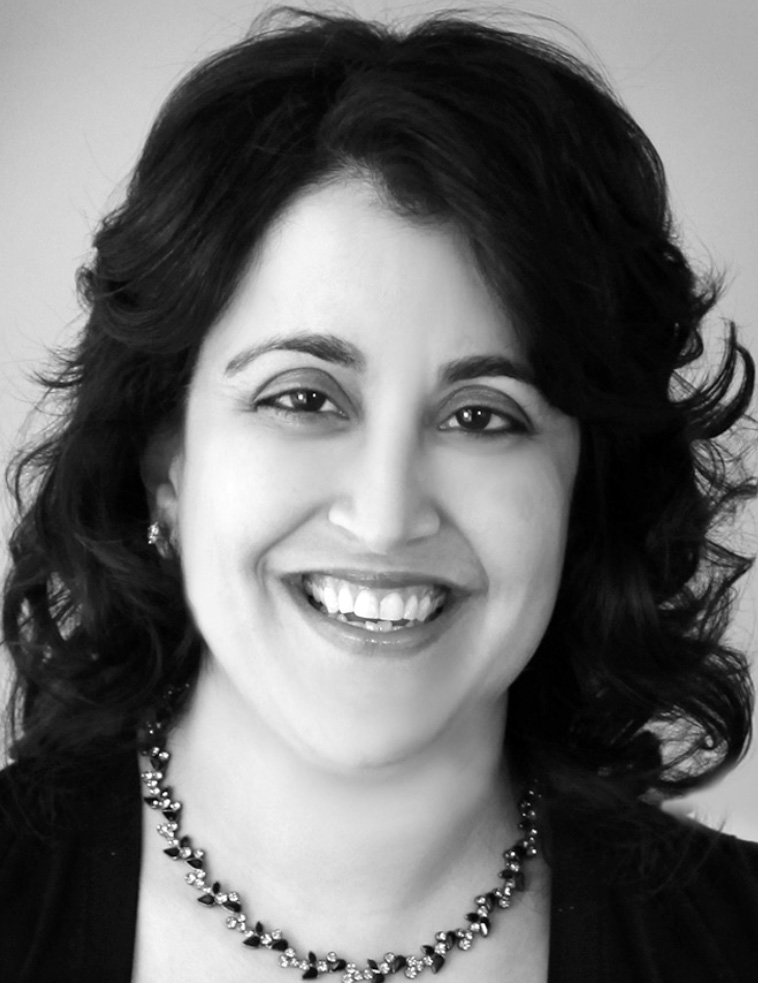
Anjali Advani, MD
Director, Inpatient Leukemia Unit, Cleveland Clinic Taussig Cancer Institute, Professor of Medicine, Cleveland Clinic Lerner College of Medicine, Chair, Data Safety and Monitoring Committee, Case Comprehensive Cancer Center, Cleveland, OH
Dr. Anjali Advani, MD, is Director of the Inpatient Leukemia Service and Staff in the Department of Hematology/Oncology at the Cleveland Clinic. She is a Professor in the Cleveland Clinic Lerner College of Medicine and Chair of the Data Safety and Monitoring Board for the Case Comprehensive Cancer Center. Dr. Advani’s research has focused on novel therapies for acute lymphocytic leukemia and acute myeloid leukemia. She is Vice Chair of the SWOG Leukemia Committee, where she serves as the national principal investigator for several clinical trials in acute leukemia. She was awarded the Cleveland Clinic’s Velosano Impact Award for her work in leukemia.
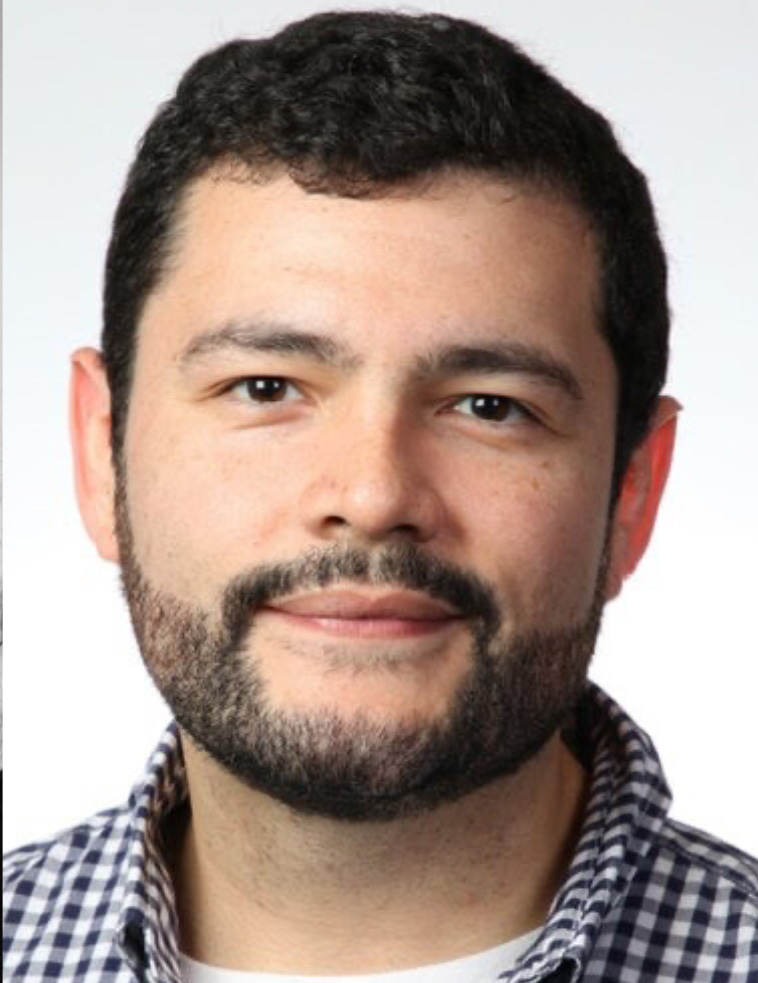
Adolfo Aleman, PhD
Assistant Professor, Hematology and Medical Oncology, Associate Director of Translational Research, Center of Excellence for Multiple Myeloma, Ichan School of Medicine at Mount Sinai, New York, NY
Dr. Adolfo Aleman, PhD, is an Assistant Professor in the Department of Hematology and Medical Oncology and the Associate Director of Translational Research for the Center of Excellence for Multiple Myeloma at the Icahn School of Medicine at Mount Sinai. His work focuses on multiple myeloma. After completing his Doctor of Philosophy (PhD) in Translational Oncology at the Icahn School of Medicine at Mount Sinai, Dr. Aleman continued his academic and research career at the institution, where he now contributes to multiple myeloma research and translational initiatives.
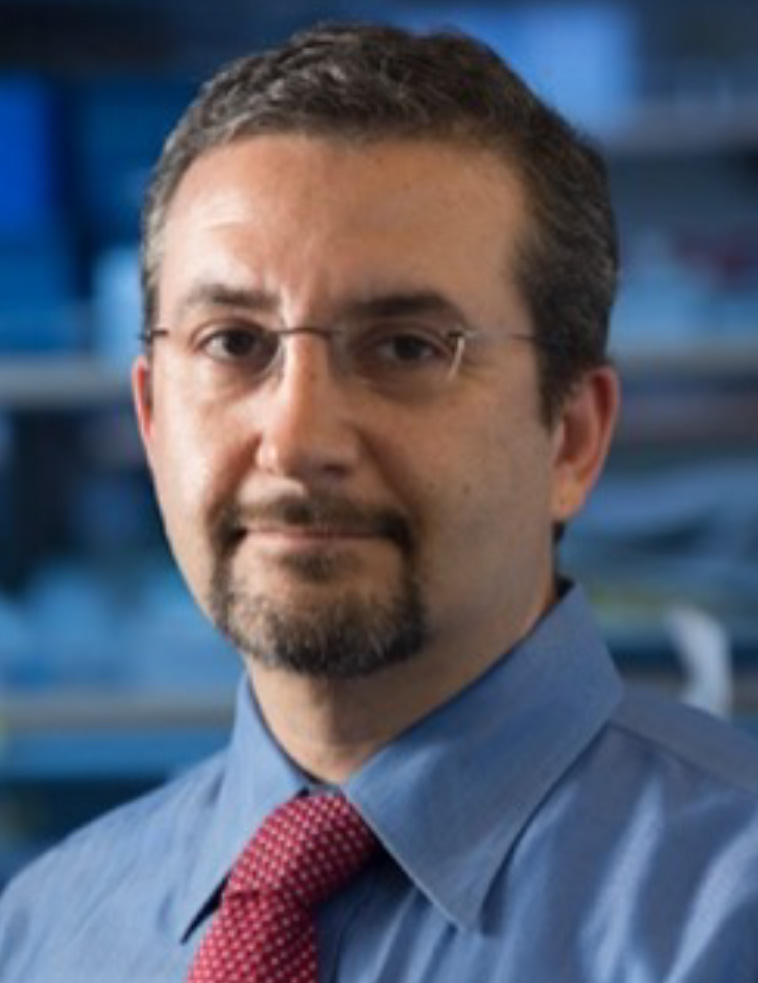
Ash Alizadeh, MD, PhD
Moghadam Family Professor of Medicine, Division of Oncology & Hematology, Stanford University, Stanford, CA
Dr. Ash Alizadeh, MD, PhD, is the Moghadam Family Professor of Medicine at Stanford University and a practicing oncologist and physician-scientist in the Division of Oncology. His research focuses on the development of data-driven approaches to better understand cancer biology, improve diagnostics, and personalize therapies. Dr. Alizadeh is a recognized leader in oncology informatics and translational research and has contributed extensively to the advancement of precision medicine.
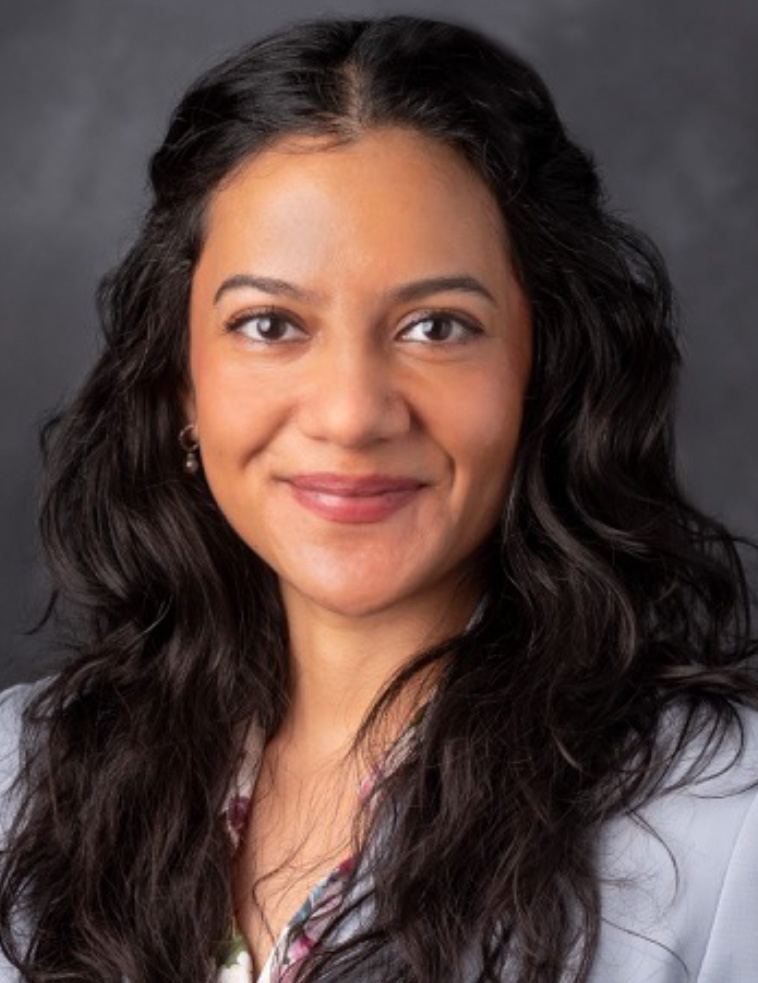
Yosra Aljawai, MD, MS
Assistant Professor, Department of Stem Cell Transplantation and Cellular Therapy, Division of Cancer Medicine, The University of Texas MD Anderson Cancer Center, Houston, TX
Dr. Yosra Aljawai, MD, MS, is an Assistant Professor in the Department of Stem Cell Transplantation and Cellular Therapy, Division of Cancer Medicine, at The University of Texas MD Anderson Cancer Center in Houston, Texas. Her research focuses on bone marrow transplantation (BMT). After earning her medical degree from St. George University School of Medicine in St. George, West Indies, Dr. Aljawai completed her residency in internal medicine at the Icahn School of Medicine at The Mount Sinai Hospital in New York. She then pursued a clinical fellowship in hematology at Johns Hopkins University School of Medicine in Baltimore, Maryland.
Jennifer Amengual, MD
Associate Professor of Medicine, Division of Hematology and Oncology, Center for Lymphoid Malignancies, Hebert Irving Comprehensive Cancer Center, Columbia University Irving Medical Center, New York, NY
Dr. Jennifer Amengual, MD, is an Associate Professor of Medicine in the Division of Hematology and Oncology, Center for Lymphoid Malignancies, and Hebert Irving Comprehensive Cancer Center at Columbia University Irving Medical Center. Dr. Amengual obtained her Medical Doctorate from New York Medical College, followed by a residency in Internal Medicine at Montefiore Medical Center/Albert Einstein College of Medicine. Dr. Amengual then went on to complete her fellowship in Hematology and Oncology at the NYU Langone Medical Center, where she participated in the Physician-Scientist Training Program and graduated as a Dean’s Scholar. She is the recipient of several awards and scholarships for her research, including the Irving Scholarship, the Gabrielle’s Angel Foundation for Cancer Research and as a Scholar of the Amos Medical Faculty Development Award –Robert Wood Johnson Foundation and the American Society of Hematology. She was also selected to participate in the prestigious American Association for Cancer Research (AACR)/American Society of Clinical Oncology (ASCO) Vail Workshop Methods in Clinical Cancer Research, the European Hematology Association/American Society of Hematology Translational Research Training Program and the South West Oncology Group (SWOG) Leadership Academy. As an R01-funded physician-scientist, Dr. Amengual is focused on translating the latest scientific discoveries regarding cancer cell behavior into novel treatment platforms. Specifically, she is focused on combination epigenetic targeting for both B-cell and T-cell lymphomas. She continues to develop new pharmacologic strategies directed at altering these diseases at their genetic roots, now collaborating with investigators from backgrounds of diverse scientific expertise. Dr. Amengual has lectured at academic institutions and conferences around the world, and at forums such as the Lymphoma Research Foundation and the American Hematology Society’s Highlights of ASH. She has published numerous chapters and peer reviewed articles on the biology and treatment of lymphoma, and serves as a Scientific Reviewer for a number of journals in the field, including Journal of Clinical Oncology and as an Editorial Board Member of Clinical Cancer Research. She is actively involved in the NCI’s National Clinical Trial Network, SWOG, as a Lymphoma Working Group Committee Member. Dr. Amengual is involved in numerous clinical trials for lymphoma, enabling our patients to access the best opportunities for the treatment of their disease.
Cecilia Arana Yi, MD
Director of Leukemia Services, Senior Associate Consultant, Division of Hematology/Oncology, Mayo Clinic, Phoenix, AZ
Dr. Cecilia Arana Yi, MD, is Senior Associate Consultant and Director of Leukemia services. She received her medical degree at the Cayetano Heredia University in Lima, Peru, and completed residency at the University of Buffalo. She then completed a Hematology/Oncology fellowship at Thomas Jefferson University and a Leukemia fellowship at University of Texas MD Anderson Cancer Center. Dr. Arana Yi was the Leukemia Program Director and the Mastocytosis Multidisciplinary Program Leader at the University of New Mexico Comprehensive Cancer Center in Albuquerque, NM. Dr. Arana Yi conducts clinical trials in acute and chronic leukemias, and systemic mastocytosis. She is a member of professional organizations including American Society of Hematology, American Association for Cancer Research, Association of Clinical Research Professionals, and is a well-recognized educator and speaker in educational meetings for community oncologists, families and caregivers. Dr. Arana Yi’s clinical and research activities focus on acute and chronic leukemias, myelodysplastic syndromes, myeloproliferative neoplasms, and systemic mastocytosis.
Samuel Urrutia Argueta, MD
Assistant Professor of Medicine, Division of Oncology, Washington University School of Medicine, St. Louis, MO
Dr. Samuel Urrutia, MD, is a physician and bioinformatician specializing in hematologic oncology. His work centers on two key pillars: developing therapeutic strategies to prevent leukemia relapse after transplantation and optimizing clinical trials through genomic precision. Dr. Urrutia is also an advocate for open science, currently working to implement genomic technologies globally to accelerate discoveries in myeloid cancers.
Muhamed Baljevic, MD, FACP
Associate Professor of Medicine, Division of Hematology Oncology, Vanderbilt University Medical Center, Director, Multiple Myeloma Program, Director, Vanderbilt Amyloidosis Multidisciplinary Program (VAMP), Co-chair, VICC Protocol Review and Monitoring System, Vanderbilt-Ingram Cancer Center, Nashville, TN
Dr. Muhamed Baljevic, MD, FACP, is a hematologist and medical oncologist who joined Vanderbilt University Medical Center as faculty in the Department of Medicine in 2021. He is the director of the Multiple Myeloma Program and the Vanderbilt Amyloidosis Multidisciplinary (VAMP) Programs, and also serves as the disease team lead for plasma cell dyscrasias and lymphomas. His clinical and research interests are in the field of multiple myeloma (MM), AL Amyloidosis, and other plasma cell disorders. His investigative focus is on better understanding the mechanisms of proteasome inhibitor resistance, the importance of augmented post-transplant immune reconstitution in transplant recipients, and the role genomic events, such as chromosomal alterations and gene mutations, play in the transformation of premalignant plasma cell conditions to plasma cell malignant states. As an institutional cellular therapy investigator in plasma cell malignancies, he aims to explore novel mechanistic approaches in the treatment of high unmet needs in relapsed and refractory MM and AL Amyloidosis, including those patients with multiclass-resistant or refractory disease. Some of his recent recognitions include the 2014 Celgene Future Leaders in Hematology Award for Clinical Research and the 2015 ASCO/AACR Workshop on Methods in Clinical Cancer Research. He is the author of several dozen publications and book chapters on various hematologic malignancies. Dr. Baljevic earned his medical degree from Weill Cornell Medicine–Qatar, completed his residency in internal medicine at Weill Cornell Medical Center, and pursued his fellowship in hematology and medical oncology at the University of Texas MD Anderson Cancer Center.
Jacqueline Barrientos, MD, MS
Chief, Hematologic Malignancies, Director, Oncology Research, Mount Sinai Medical Center, Adjunct Professor of Medicine, Zucker School of Medicine at Hofstra/Northwell, Adjunct Associate Professor, Feinstein Institutes for Medical Research, Miami Beach, FL
Dr. Jacqueline C. Barrientos, MD, MS, is an internationally recognized hematologist, specializing in lymphoid malignancies. She is the Chief of Hematological Malignancies at Mount Sinai Medical Center in Miami Beach, where she leads clinical and translational research programs aimed at improving therapeutic strategies and long-term outcomes for patients with hematologic cancers. Dr. Barrientos has authored and co-authored over a hundred peer-reviewed publications, book chapters, and invited reviews, and she is a frequent speaker at national and international conferences. Throughout her research trajectory, Dr. Barrientos has served as the principal investigator on numerous landmark clinical trials that contributed to the development and approval of several targeted agents, including BTK and BCL2 inhibitors. Her academic contributions also include mentorship of fellows and junior faculty, along with active involvement in initiatives promoting diversity and equity in clinical research.
Stefan Barta, MD, MS
Associate Professor of Clinical Medicine, Division of Hematology and Oncology, Leader, T-cell Lymphoma Program, Abramson Cancer Center, University of Pennsylvania, Philadelphia, PA
Dr. Stefan Barta, MD, MS, is an Associate Professor at the University of Pennsylvania, Abramson Cancer Center. He is a trained Hematologist-Oncologist, and holds a master’s degree in Clinical Research Methodology. Dr. Barta leads the T-cell Lymphoma Program at the University of Pennsylvania. He is a member of the ECOG Lymphoma Core Committee, the NCCN panels for T-Cell Lymphoma and Primary Cutaneous Lymphomas, and the Board of Directors of the US Cutaneous Lymphoma Consortium. He also serves as the Executive Officer of the NCI-sponsored AIDS Malignancy Consortium (AMC) and the Co-Chair of the global PETAL consortium. His research expertise is in the design and conduct of early phase clinical trials in lymphoma with a specific focus on immunotherapies, cellular therapies, and identifying novel targets for the treatment of T-cell malignancies.
Alexandre Bazinet, MDCM, MSc
Assistant Professor, Department of Leukemia, The University of Texas MD Anderson Cancer Center, Houston, TX
Dr. Alexandre Bazinet, MDCM, MSc, is an Assistant Professor in the Department of Leukemia at The University of Texas MD Anderson Cancer Center. Dr. Bazinet joined the Department of Leukemia in July 2021 as a fellow and subsequently as faculty in 2023. He obtained his MDCM from McGill University, Montreal, Canada, in 2014 (Dean’s Honour List). Dr. Bazinet completed his residency training at McGill University. He served as co-chief resident during his hematology residency. Dr. Bazinet completed the Clinician Investigator Program and a master’s degree in experimental medicine at McGill University in 2021. Dr. Bazinet’s research is focused on improving outcomes in patients affected by acute myeloid leukemia (AML) and myelodysplastic syndromes (MDS). He has authored over 50 peer-reviewed publications and 60 conference abstracts. His specific fields of interest include optimizing lower-intensity regimens in older patients with AML/MDS, the role of maintenance therapy in AML, measurable residual disease, and the role of allogeneic stem cell transplantation in older patients.
Rafael Bejar MD, PhD
Professor of Clinical Medicine, University of California, San Diego Moores Cancer Center, Chief Medical Officer and Senior Vice President, Aptose Biosciences, La Jolla, CA
Dr. Rafael Bejar MD, PhD, is a Professor of Clinical Medicine at the UC San Diego Moores Cancer Center where he directs the Myelodysplastic Syndrome (MDS) Center of Excellence. In addition to caring for patients, Dr. Bejar conducts laboratory research exploring the clinical impact of genetic mutations and epigenetic alterations observed in MDS. As of January 2020, Dr. Bejar has taken a partial leave to serve as the Chief Medical Officer for Aptose Biosciences, a pharmaceutical company developing drugs to treat hematologic malignancies. Dr. Bejar is a graduate of the UC San Diego School of Medicine, Medical Scientist Training Program, the Brigham and Women’s Internal Medicine Residency Program, and the Dana-Farber/Harvard Cancer Center Fellowship in Hematology and Oncology. He is a prior American Society of Hematology Scholar and has served on the NCCN Guidelines Committee for MDS. He is a member of the International Working Group for MDS Molecular Prognosis Committee and the WHO Classification Committee. He is on the steering committee for the National MDS Study and serves on the Medical and Scientific Advisory Board of the MDS Foundation. Dr. Bejar is an Associate Editor for Leukemia. He has worked with or advised several industry partners, including Neogenomics, Astex/Taiho, Gilead, Ipsen/Epizyme, Celgene/BMS, Geron, Keros, Takeda, Servier, and PersImmune.
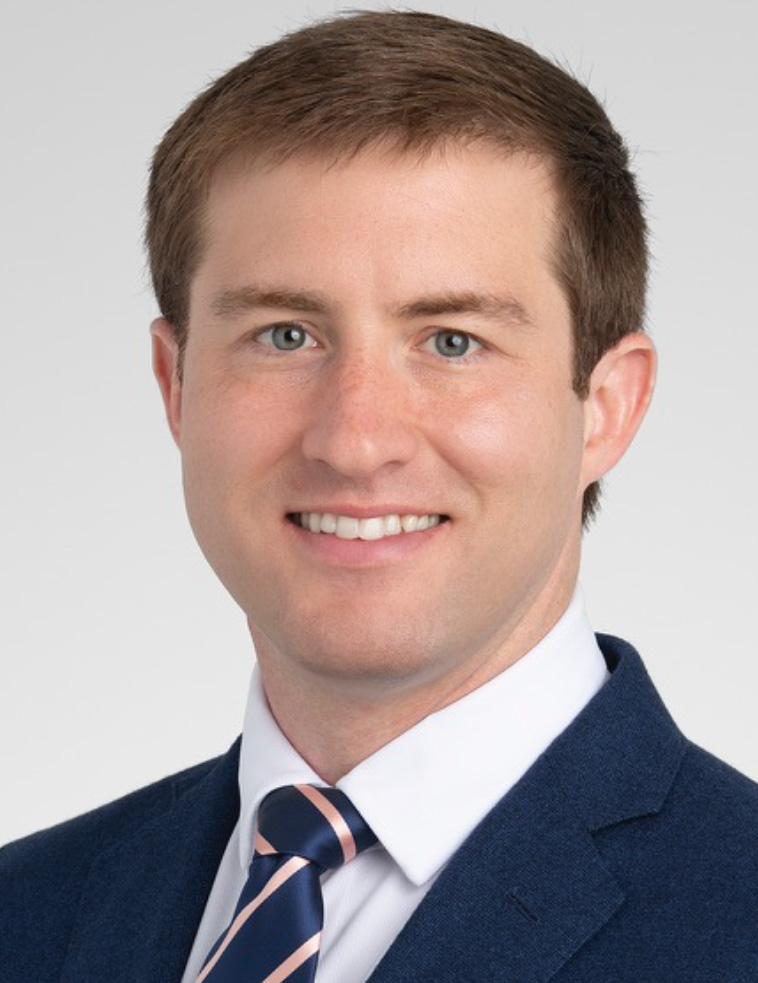
Taylor Brooks, MD
Associate Staff, Hematology & Medical Oncology, Cleveland Clinic Taussig Cancer Institute, Assistant Professor of Medicine, Cleveland Clinic Lerner College of Medicine, Cleveland, OH
Dr. Taylor Brooks, MD, is an Associate Staff physician in the department of Hematology and Oncology at the Cleveland Clinic Taussig Cancer Institute. He is a lymphoma specialist who dedicated his career to helping patients navigate the complexities of lymphoma. Dr. Brooks completed his medical training at the University of Cincinnati College of Medicine. He finished residency at Wake Forest Baptist Medical Center in Internal Medicine, followed by a hematology and oncology fellowship at the Cleveland Clinic. He is an active member of professional organizations such as the American Society of Hematology, the American Society for Transplantation and Cellular Therapy, and the American College of Physicians. His area of clinical specialization is caring for patients with lymphoid malignancies, with a particular focus on Waldenström Macroglobulinemia. His research aims to improve the care of patients with lymphoid malignancies through clinical trials and through applying sound methodology to observational data to produce actionable causal inferences.
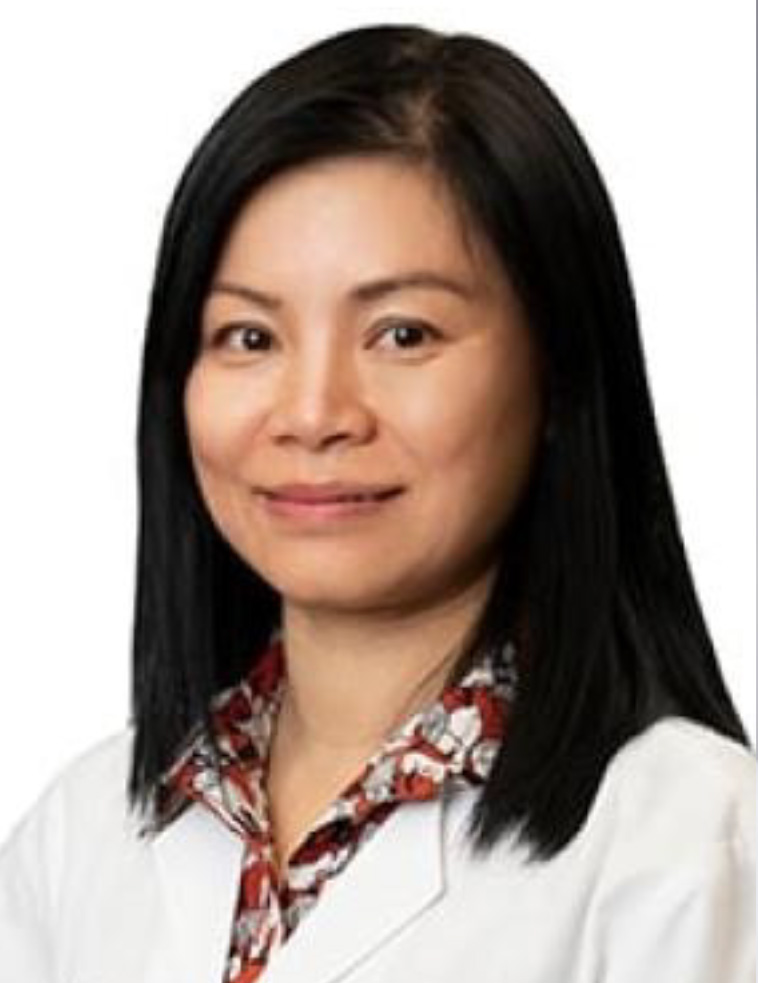
Elizabeth Budde, MD, PhD
Associate Professor, Division of Lymphoma, Department of Hematology & Hematopoietic Cell Transplantation, Executive Medical Director, Enterprise Immune Effector Cell Program, Chair, Clinical Cellular Immunotherapy Committee, Medical Director Duarte, Alpha Clinic, City of Hope, Duarte, CA
Dr. Elizabeth Budde, MD, PhD, is a well-recognized clinical expert and translational researcher in the area of blood cancers. She leads the Immunotherapy Modality Team and is the Executive Medical Director, Enterprise Immune Effector Cell Program at City of Hope National Medical Center. She also serves as a member of several national committees including National Comprehensive Cancer Network (NCCN) Guidelines for B-Cell Lymphoma, NCCN Guidelines for Management of Immunotherapy-Related Toxicities, and Alliance of American Cancer Institute (AACI) CAR T Working Group. Dr. Budde has received many honors and awards for her work. She has published more than 100 peer-reviewed articles in prominent journals including The Lancet Oncology, Nature Medicine, Journal of Clinical Oncology, Blood, and Clinical Cancer Research. Dr. Budde holds patents for new drugs currently under development in lymphoma and leukemia and is the principal investigator of innovative translational research protocols and maintains a dynamic portfolio of clinical trials and a research laboratory.
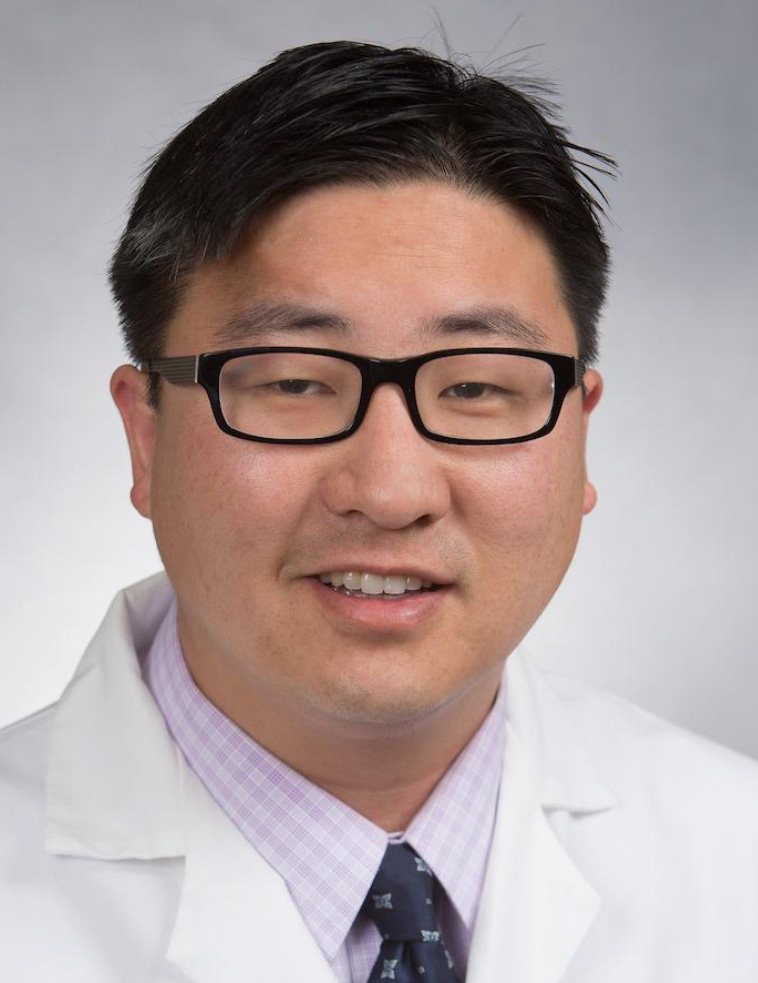
Michael Choi, MD
Professor of Medicine, Division of Hematology/Oncology, University of California, San Diego Sanford Stem Cell Institute, University of California, San Diego Moores Cancer Center, San Diego, CA
Dr. Michael Choi, MD, is a hematologist and medical oncologist specializing in the treatment of patients with blood cancers and other blood disorders, with an emphasis on chronic lymphocytic leukemia (CLL). He is a part of UC San Diego's CLL research team, collaborating with the laboratories of Drs. Thomas Kipps, Januario Castro, and Dennis Carson to help develop new therapies for patients with blood cancers. His clinical research interests include highly targeted novel therapies that can be used to treat blood cancers in a personalize and molecularly-driven manner. Dr. Choi has received a young investigator award from the Tower Cancer Research Foundation, and research training through the American Society of Hematology Clinical Research Training Institute. Dr. Choi earned his medical degree from University of Southern California, Keck School of Medicine. He completed his residency in internal medicine and fellowship from UC San Diego School of Medicine.
Thomas Cluzeau, MD, PhD
Professor, Hematology, Head, Department of Hematology, Nice University Hospital, Nice, France
Dr. Thomas Cluzeau, MD, PhD, is Professor of Hematology and Head of the Department of Hematology at Nice University Hospital, Nice, France. He also holds a faculty appointment as Professor at the Faculty of Medicine at Nice Sophia Antipolis University. Dr. Cluzeau completed his medical and research training across several esteemed institutions, including Nice Sophia Antipolis University, Nice University Hospital, Saint Louis Hospital, and Moffitt Cancer Center in Tampa, FL. He plays a key role in advancing hematologic research in France, actively contributing to multiple national cooperative research groups, including ALFA (Acute Leukemia French Association), GRAALL (Group for Research on Adult Acute Lymphoblastic Leukemia), and GFM (Groupe Francophone des Myélodysplasies). Dr. Cluzeau specializes in the diagnosis and management of hematologic malignancies, with particular focus on acute myeloid leukemia (AML), acute lymphoblastic leukemia (ALL), and myelodysplastic syndromes (MDS). His research is dedicated to translational and early-phase clinical trials, emphasizing genetic susceptibility and targeted treatments for AML. He leads both academic and industry-sponsored trials, aiming to bridge laboratory research with innovative clinical applications to improve patient outcomes.
Alexey Danilov, MD, PhD
Marianne and Gerhard Pinkus Professor, Early Clinical Therapeutics, Medical Director, Early Phase Therapeutics Program for the Systems Clinical Trials Office, Co-Director, Toni Stephenson Lymphoma Center, Disease Team Leader, Lymphoma, Professor, Department of Hematology, Director, Hematopoietic Tissue Repository (Lymphoma), City of Hope, Duarte, CA
Dr. Alexey Danilov, MD, PhD, earned his medical degree in Russia and completed a fellowship in hematology/oncology at Tufts Medical Center, in Boston, United States. He is a physician-scientist with background in molecular biology and cancer cell signaling and expertise in oncologic drug development. He leads an independent research program in B-cell malignancies which bridges the understanding of B-cell biology with early clinical evaluation of novel therapeutics. As a Director of Early Phase Therapeutics Program and a leader of the Lymphoma Center, Dr. Danilov guides an effort in experimental therapeutics at the City of Hope National Medical Center. His group’s pre-clinical focus is on evaluation of novel targets in the ubiquitin-proteasome system and oncogenic role of cyclin-dependent kinase-9. In addition, his group performs correlative science on multiple clinical trials. He received peer-reviewed funding from the National Cancer Institute (R01), Leukemia and Lymphoma Society, American Society of Hematology and Lymphoma Research Foundation, and serves as Co-Chair for Translational Medicine of the Southwest Oncology Group Lymphoma Committee. Clinically, Dr. Danilov is a practicing medical oncologist specializing in the care of patients with CLL and lymphoma. Building on his pre-clinical discoveries, he launched multiple early-phase clinical trials with novel agents. As a member of industry and SWOG committees and a leader within the Early Therapeutics Clinical Trials Network, he participates in drug development on a global scale.
Pinkal Desai, MD, MPH
Associate Professor of Medicine, Weill Cornell Medical College, Attending Physician, New York-Presbyterian Hospital, New York, NY
Dr. Pinkal Desai, MD, MPH, is an Associate Professor of Medicine at Weill Cornell Medical College and an Attending Physician at New York-Presbyterian Hospital. After obtaining her MBBS at Byramjeejeebhoy Medical College in India in 2005, Dr. Desai earned an MPH at the University of Alabama at Birmingham School of Public Health. Following her residency at Wayne State University, Detroit Medical Center, she underwent fellowship training in Hematology–Medical Oncology at Providence Hospital Medical Center, serving as Chief Fellow from 2012–2013. Dr. Desai was recruited to the Leukemia Program to develop a clinical practice devoted to leukemia, MDS, and MPN, and she is focused on developing clinical and translational research protocols and projects in these areas. Dr. Desai is published in Cancer Epidemiology, Biomarkers & Prevention and the International Journal of Molecular Epidemiology and Genetics. She is the lead author and co-author on numerous Women’s Health Initiative (WHI) paper proposals and has presented abstracts at national meetings. She is a member of the American Society of Hematology (ASH) and the American Society of Clinical Oncology (ASCO) and has served on the ASCO University Committee.
Courtney DiNardo, MD, MSCE
Professor, Division of Cancer Medicine, Associate Member, Graduate School of Biomedical Sciences, The University of Texas MD Anderson Cancer Center, Houston, TX
Dr. Courtney DiNardo, MD, MSCE, is a Professor in the Division of Cancer Medicine at The University of Texas MD Anderson Cancer Center. She is a clinical researcher with a specialized focus on prognostication and personalized therapeutics for patients with myeloid malignancies. Dr. DiNardo is the primary investigator of multiple novel IDH1 or IDH2-targeted therapeutic agents currently in clinical trials. She has experience in designing, overseeing, and executing successful clinical trials; from Phase 1 dose-finding studies, to innovative investigator-initiated Phase II trials, to confirmatory Phase III trials. Dr. DiNardo has served an integral role in several highly influential trials involving IDH1, IDH2 and BCL2 inhibitors, which have led to the FDA approval of three therapies in AML since 2017 (the first-in-class IDH2 inhibitor enasidenib, the IDH1 inhibitor ivosidenib, and the BCL2 inhibitor venetoclax in combination with hypomethylating agents). Dr. DiNardo completed her medical degree at the University of Michigan in Ann Arbor, Michigan. She subsequently completed her clinical residency in Internal Medicine and a clinical fellowship in Hematology/Oncology at the University of Pennsylvania in Philadelphia, Pennsylvania.
Kieron Dunleavy, MD
Section Chief, Hematology, Disease Group Lead, Malignant Hematology, MedStar Georgetown University Hospital, Georgetown Lombardi Comprehensive Cancer Center, Washington, DC
Dr. Kieron Dunleavy, MD, is an internationally recognized lymphoma expert and serves as Section Chief of Hematology and Disease Group Lead for Malignant Hematology at MedStar Georgetown University Hospital at the Georgetown Lombardi Comprehensive Cancer Center. Dr. Dunleavy specializes in the treatment of patients with aggressive (fast-growing) and indolent (slow-growing) lymphomas, viral-associated lymphomas including those associated with HIV and EBV, post-transplant lymphomas, lymphomas affecting adolescent and young adult (AYA) populations such as mediastinal B-cell lymphoma and Burkitt lymphoma, lymphomas of the central nervous system, and chronic lymphocytic leukemia. His work combines active clinical research and outstanding patient care with the goal of developing new treatments that will improve outcomes for people with lymphoma. His clinical drug discovery work includes phase I, II, and III clinical trials as a principal investigator and co-investigator on several single and multicenter studies. Dr. Dunleavy serves on the Scientific Advisory Board of the Lymphoma Research Foundation and on the editorial boards of several journals. He has authored more than 100 manuscripts and textbook chapters and frequently presents his research nationally and internationally. Dr. Dunleavy grew up in Ireland and earned his medical degree from University College Dublin. He completed fellowships in medical oncology at University College Dublin and the National Cancer Institute (NIH), where he subsequently worked as an attending physician and served as Clinical Director of the Lymphoid Malignancies Branch. Prior to joining MedStar Health, he was Professor of Medicine, Director of the Lymphoma Program, and Co-Director of the Microbial Oncology Program in the Division of Hematology and Oncology at the George Washington University Cancer Center.
Narendranath Epperla, MD, MS, FACP
Associate Professor of Medicine, Associate Chief of Clinical Research, Division of Hematology, Director of Phase 1 Clinical Trials Program, Hematologic Malignancies, Huntsman Cancer Institute, University of Utah, Salt Lake City, UT
Dr. Narendranath Epperla, MD, MS, FACP, is an Associate Professor in the Division of Hematology and Hematologic Malignancies, Department of Medicine, at the Huntsman Cancer Institute, University of Utah. He serves as the Associate Chief of Clinical Research and Director of the Phase 1 Clinical Trials Program for Hematologic Malignancies. He specializes in the treatment of patients with lymphoid malignancies, including non-Hodgkin lymphoma, Hodgkin lymphoma, CNS lymphomas, and Waldenström macroglobulinemia. Dr. Epperla is actively involved in cancer research. His research interests focus on conducting early phase clinical trials using novel drug combinations to treat patients with lymphoid malignancies and identify blood-based biomarkers that can predict treatment response. He is the national principal investigator on several investigator-initiated trials and consortium studies and is an active participant in the Alliance Lymphoma Committee and the National Clinical Trials Network. He is a member of multiple professional organizations, including the American Society of Hematology, American Society of Clinical Oncology, American Society for Transplantation and Cellular Therapy, and the American Association for Cancer Research. He has authored over 185 peer-reviewed publications and serves on the editorial boards of several journals, including Journal of Hematology and Oncology, BMC Medicine, and Frontiers in Immunology. Dr. Epperla earned his MBBS from Kamineni Institute of Medical Sciences. He completed his internal medicine residency at Marshfield Clinic/Ministry Saint Joseph’s Hospital and his fellowship in Hematology/Oncology at the Medical College of Wisconsin.
Herbert Eradat, MD, MS
Clinical Professor of Medicine, UCLA Lymphoma Program, UCLA Bone Marrow Transplant, Cellular Therapy and CAR-T Program, David Geffen School of Medicine at UCLA, Los Angeles, CA
Dr. Herbert Eradat, MD, MS, is a Clinical Professor of Medicine at the University of California, specializing in medical oncology and internal medicine (adult medicine). His clinical and research focus is in lymphoma. He has over 22 years of experience in the field. Dr. Eradat earned his medical degree from Rosalind Franklin University of Medicine and Science, Chicago Medical School, in 2002. He completed his residency in Internal Medicine at UCLA School of Medicine, followed by a fellowship in Hematology-Oncology at UCLA School of Medicine.
Peter Forsberg, MD
Hematologist/Oncologist, Co-Director Plasma Cell Disorders Program, Colorado Blood Cancer Institute, Denver, CO
Dr. Peter Forsberg, MD, is a fellowship-trained, board-certified hematologist/oncologist who has taken a clinical and research focus on the treatment of plasma cell disorders, including multiple myeloma, amyloidosis, and less common conditions such as Waldenstrom’s Macroglobulinemia. He completed his Doctor of Medicine degree at the University of Colorado School of Medicine. He then diversified his medical training with residency at the Weill-Cornell Medical College/New York-Presbyterian Hospital and served as chief medical resident at Memorial Sloan Kettering Cancer Center before returning to Cornell for fellowship training in hematology and medical oncology. Dr. Forsberg has established trusted clinical practice while maintaining continuing research so he can bring his patients the most innovative, advanced treatments available. He serves as principle investigator on various clinical trials and has published and presented his work at the national and international level.
Francine Foss, MD
Professor of Medicine, Medical Oncology and Hematology, Yale Cancer Center, Yale School of Medicine, New Haven, CT
Dr. Francine Foss, MD, is a Professor of Medicine in the Section of Medical Oncology at the Yale Cancer Center. She is an internationally recognized clinician and clinical researcher with expertise in adult lymphomas and stem cell allotransplantation. Dr. Foss has brought a nationally established clinical trials program to the Yale Cancer Center. In her previous post at Tufts New England Medical Center in Boston, she designed, initiated, and directed multi-center national clinical trials that led to FDA approval of several novel therapies for lymphomas. One of these, Interleukin-2 conjugated to diphtheria toxin, was the first FDA-approved fusion biologic drug for use in the United States. She also developed a treatment for patients undergoing allogeneic stem cell transplant that reduced the development of graft-versus-host disease. These findings led to the initiation of two National Cancer Institute–sponsored trials to confirm these results in patients with lymphoma and myelodysplastic syndrome. Dr. Foss is a world expert in T-cell lymphomas. She has pioneered several novel therapies for T-cell lymphomas and has led a number of national studies. She is currently overseeing a national registry for T-cell lymphomas and is a founder and co-chairman of the T-CELL Forum, the preeminent international T-cell lymphoma research meeting. She is also a founder of the United States Cutaneous Lymphoma Consortium and the Peripheral T-Cell Consortium. She has been a translational researcher in T-cell lymphomas and is currently collaborating with multiple laboratories at Yale to identify molecular targets in T-cell lymphoma. Dr. Foss earned her medical degree from Dartmouth College, University of Massachusetts Medical School, completed her residency at Brigham and Women’s Hospital, and completed her fellowship at the National Cancer Institute.
Sameh Gaballa, MD, MS
Associate Professor, Tenure Status, Department of Oncologic Sciences, Morsani College of Medicine, University of South Florida, Associate Member, Department of Malignant Hematology, H. Lee Moffitt Cancer Center, Tampa, FL
Dr. Sameh Gaballa, MD, MS, is an Associate Member at the Moffitt Cancer Center’s Department of Malignant Hematology. Dr. Gaballa earned his MD from Ain Shams University in Cairo, Egypt, where he also completed hematology training. He completed an Internal Medicine Residency and a Hematology and Medical Oncology Fellowship at Thomas Jefferson University Hospital in Philadelphia, Pennsylvania. He then completed a Stem Cell Transplantation and Cellular Therapy Fellowship at the University of Texas MD Anderson Cancer Center. Dr. Gaballa previously practiced at Thomas Jefferson University in the Division of Hematologic Malignancies and Blood and Marrow Transplantation. Dr. Gaballa’s clinical interests include the treatment of patients with lymphoid malignancies, including non-Hodgkin lymphoma, Hodgkin lymphoma, and chronic lymphocytic leukemia. He is also interested in incorporating novel approaches such as chimeric antigen receptor T-cell therapy and bispecific T-cell engagers. His research focuses on developing novel targeted agents for treating patients with indolent (slow-growing) lymphomas such as follicular lymphoma, marginal zone lymphoma, and lymphoplasmacytic lymphoma.
Sergio Giralt, MD, FACP, FASTCT
Professor of Medicine, Weill Cornell Medical College, Chief Medical Officer, MSK Direct, Melvin Berlin Family Chair in Multiple Myeloma, Deputy Head, Division of Hematologic Malignancies, Attending Physician, Adult BMT Service, Memorial Sloan Kettering Cancer Center, New York, NY
Dr. Sergio Giralt, MD, FACP, FASTCT, received his medical degree from Universidad Central de Venezuela. He completed his residency at Good Samaritan Hospital and his fellowship at The University of Texas MD Anderson Cancer Center. In addition to his positions at Memorial Sloan Kettering Cancer Center, Dr. Giralt is Professor of Medicine at Weill Cornell Medical College and the Melvin Berlin Family Chair in Myeloma Research. Dr. Giralt is an active member of several professional societies, including the American Society of Hematology, the American Society of Clinical Oncology, the North American Society of Blood and Bone Marrow Transplantation (ASBMT), the International Society of Hematotherapy and Graft Engineering, and the Gerontological Society of America. He previously served as chairperson of the executive board of the Center for International Blood and Marrow Transplant Research and the steering committee of the Blood and Marrow Transplant Clinical Trials Network, and he is the past president of ASBMT. A board-certified hematologist/oncologist whose clinical practice and research focus on stem cell transplantation for patients with blood disorders, Dr. Giralt, with his colleagues, pioneered the use of reduced-intensity conditioning regimens for older or more debilitated patients with blood cancers. Currently, his research examines the use of T-cell depletion techniques to reduce the risk of graft-versus-host disease. He has published and presented extensively on these topics. Additionally, Dr. Giralt has served as principal investigator for multiple clinical trials evaluating new treatment approaches for multiple myeloma and other blood cancers, with a focus on reducing symptom burden and improving treatment tolerability.
Ivana Gojo, MD
Co-Director, Leukemia Drug Development Program, Professor of Oncology, Division of Hematological Malignancies and Blood or Marrow Transplantation, The Sidney Kimmel Comprehensive Cancer Center, Johns Hopkins University, Baltimore MD
Dr. Ivana Gojo, MD, is a Professor of Oncology at Johns Hopkins University. Her clinical focus is on diagnosis and management of patients with acute leukemias (AML, ALL) and other myeloid malignancies (MDS, MPNs, CML), with emphasis on the development of novel therapeutic approaches for these diseases. She is a nationally and internationally recognized expert in clinical translation of novel therapeutics for acute leukemias and principal investigator on multiple multi-center investigator-initiated studies. She joined the Johns Hopkins faculty in 2012 as the Co-Director of the Leukemia Drug Development Program. She has served on the National Cancer Institute (NCI) Investigational Drug Steering Committee since 2014 and received a Service Star Award from Johns Hopkins Medicine Service Excellence in 2018 for her exemplary care of leukemia patients. Dr. Gojo contributed to the clinical translational and drug development effort of multiple novel agents targeting pathogenic pathways in patients with acute leukemia. She served as a leukemia team leader on the National Institute of Health (NIH)/NCI N01 grant (Phase II consortium) (2009–2011), and is co-principal investigator (PI) on the Experimental Therapeutics (ET)-Clinical Trial Network (CTN) UM1 grant supporting early clinical trials. She has served on the National Comprehensive Cancer Network guideline panel for AML since 2019, the Myeloid Growth Factor guideline panel since 2015, and previously served on the MPNs guideline panel (2016–2019). She has extensive experience in the regulatory aspects of drug development and served as the Chair (2015–2016) and Co-Chair (2014–2015) of the Cancer Research Review Committee at the Sidney Kimmel Comprehensive Cancer Center (SKCCC) at Johns Hopkins, and serves as a member of the SKCCC Biostatistics Core Advisory Committee and SKCCC Clinical Research Office Coordinating Center Oversight Committee. After earning her medical degree from Sveučilišta u Zagrebu Medicinski Fakultet in 1992, Dr. Gojo completed her residency in internal medicine at Lenox Hill Hospital in 1998 and her fellowship in hematology and oncology at the University of Maryland Medical Center in 2001.
Scott Goldsmith, MD
Assistant Professor, Division of Multiple Myeloma, Department of Hematology & Hematopoietic Transplantation, City of Hope, Duarte, CA
Dr. Scott Goldsmith, MD, is an Assistant Professor in the Department of Hematology and Hematopoietic Cell Transplantation, at City of Hope. He specializes in the treatment of multiple myeloma, which is also the focus of his prolific research. He passionate about bringing new and innovative treatments to patients with multiple myeloma and other hematologic malignancies through translational research and clinical trials After graduating with honors from the University of Florida, Dr. Goldsmith earned his medical degree from UF’s College of Medicine in 2013. He continued his training at Barnes-Jewish Hospital, Washington University School of Medicine in St. Louis.
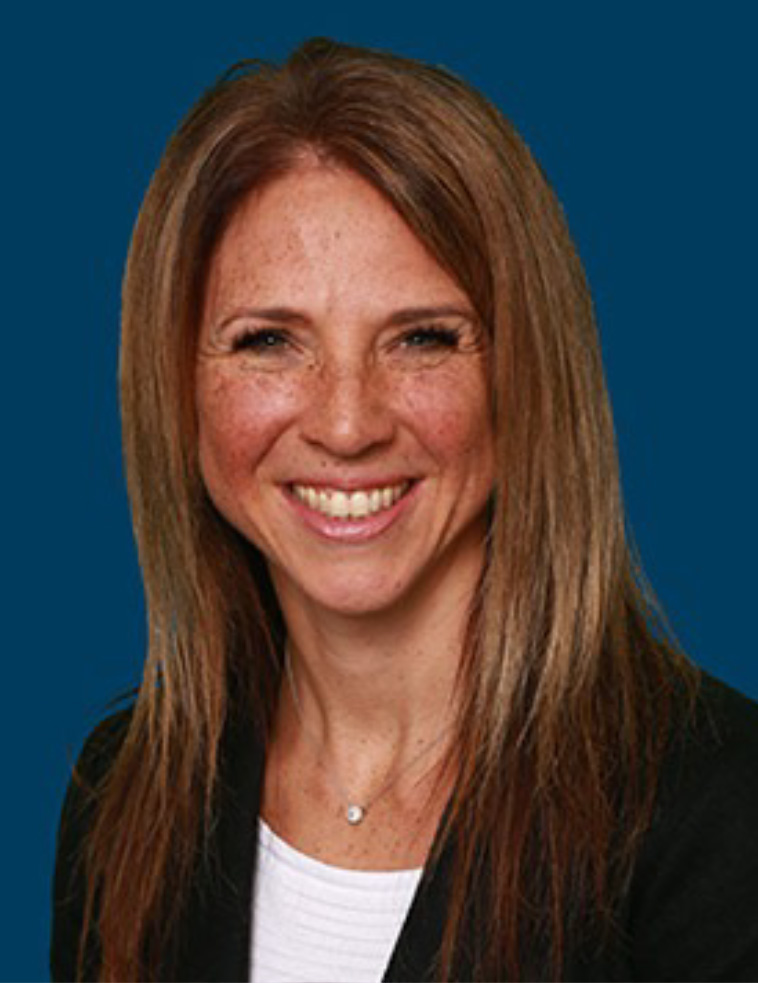
Tara Graff, DO, MS
Director of Clinical Research, Mission Cancer + Blood, Des Moines, IA
Dr. Scott Goldsmith, MD, is an Assistant Professor in the Department of Hematology and Hematopoietic Cell Transplantation, at City of Hope. He specializes in the treatment of multiple myeloma, which is also the focus of his prolific research. He passionate about bringing new and innovative treatments to patients with multiple myeloma and other hematologic malignancies through translational research and clinical trials After graduating with honors from the University of Florida, Dr. Goldsmith earned his medical degree from UF’s College of Medicine in 2013. He continued his training at Barnes-Jewish Hospital, Washington University School of Medicine in St. Louis.
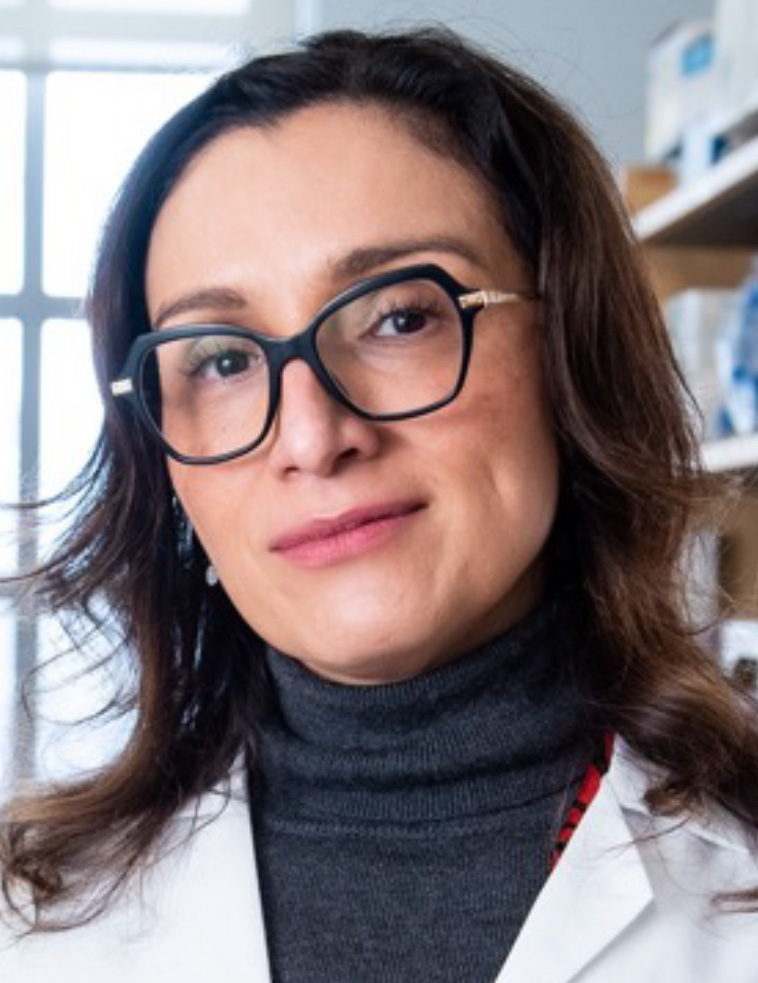
Monica Guzman, PhD
Associate Professor of Pharmacology in Medicine, Assistant Director of Access and Excellence, Meyer Cancer Center, Chair, Committee for Inclusion and Representation (CIR), FOCIS, Weill Cornell Medicine, New York, NY
Dr. Monica Guzman, PhD, is an Associate Professor of Pharmacology in Medicine in the Hematology and Medical Oncology Division at Weill Cornell Medical College. Dr. Guzman’s research program focuses on developing therapeutic strategies to improve CAR T-cell therapy in hematologic malignancies. Her laboratory also uses flow cytometry and next-generation sequencing approaches to evaluate residual disease. Dr. Guzman collaborates with physicians and industry to translate laboratory findings into clinical trials. She has authored or co-authored more than 90 papers in the field and has received funding from organizations such as The Leukemia & Lymphoma Society, the NIH, the V Foundation, and the Lauri Strauss Leukemia Foundation. Dr. Guzman is the Assistant Director of the Office of Access and Excellence at the Meyer Cancer Center, Chair of the Representation and Inclusion Committee at FOCIS, and a member of the IUIS Education Committee. Her involvement in mentoring, dissemination, education, and research demonstrates her dedication to this cause. Dr. Guzman has received numerous awards and recognitions. In 2010, she received the NIH Director’s Innovator Award and the V Foundation Scholar Award. In 2020, she was listed among 100 inspiring Hispanic/Latinx scientists in America.
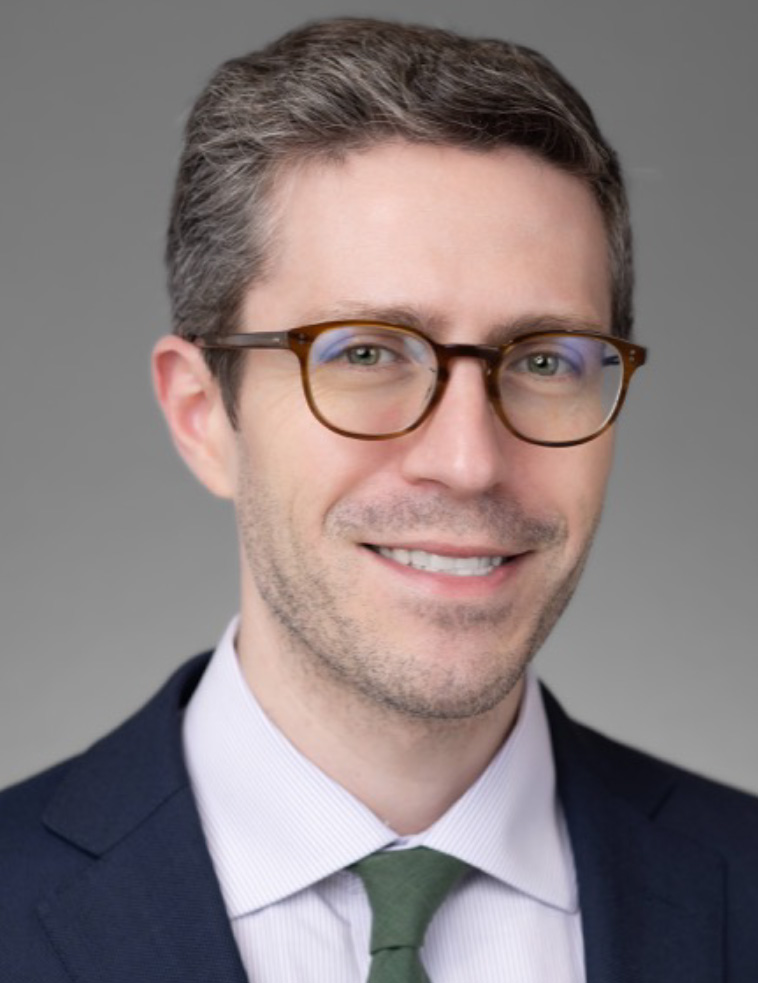
Andrew Hantel, MD, MPH
Assistant Professor of Medicine, Department of Medical Oncology, Center for Bioethics, Harvard Medical School Dana-Farber Cancer Institute, Boston, MA
Dr. Andrew Hantel, MD, MPH, is a hematologic oncologist, care delivery researcher, and bioethicist in the Divisions of Hematologic Oncology and Population Sciences at Dana-Farber Cancer Institute and an Assistant Professor of Medicine at Harvard Medical School where he is also faculty at the HMS Center for Bioethics. His work leverages health services methods to address ethical issues in blood cancer research and related care practices. Dr. Hantel received his MD from Loyola University Chicago and his MPH from the Harvard School of Public Health, and he completed fellowships in hematology/oncology and bioethics at the University of Chicago and in population sciences at the Dana-Farber/Harvard Cancer Center. Much of his current work aims to address barriers to clinical trial participation and cancer care delivery, for which his lab is funded by awards from the National Institutes of Health, the American Society for Clinical Oncology, Break Through Cancer, the Robert Winn Excellence in Clinical Trials Program, and Blood Cancer United.
Hamza Hashmi, MD
Assistant Attending, Myeloma & Cell Therapy Service, Memorial Sloan Kettering Cancer Center, Assistant Professor of Medicine, Weill Cornell Medical College, New York, NY
Dr. Hamza Hashmi, MD, is a hematologist-oncologist specializing in the care of people with multiple myeloma and other plasma cell disorders, including amyloidosis, monoclonal gammopathy of undetermined significance (MGUS), and smoldering multiple myeloma. He treats patients with both newly diagnosed and relapsed myeloma and has expertise in chemotherapy, bone marrow transplantation, and chimeric antigen receptor (CAR) T-cell therapy. At Memorial Sloan Kettering Cancer Center, Dr. Hashmi serves as a myeloma specialist and cellular therapy specialist, with advanced training in diagnosing and managing myeloma and in delivering cell-based therapies such as CAR T-cell therapy. Dr. Hashmi earned his MBBS from King Edward Medical University. He completed his Internal Medicine residency at Michigan State University, followed by a Hematology and Medical Oncology fellowship at the University of Louisville. He then pursued specialized training in Blood and Marrow Transplantation and Cellular Immunotherapy at the H. Lee Moffitt Cancer Center & Research Institute.
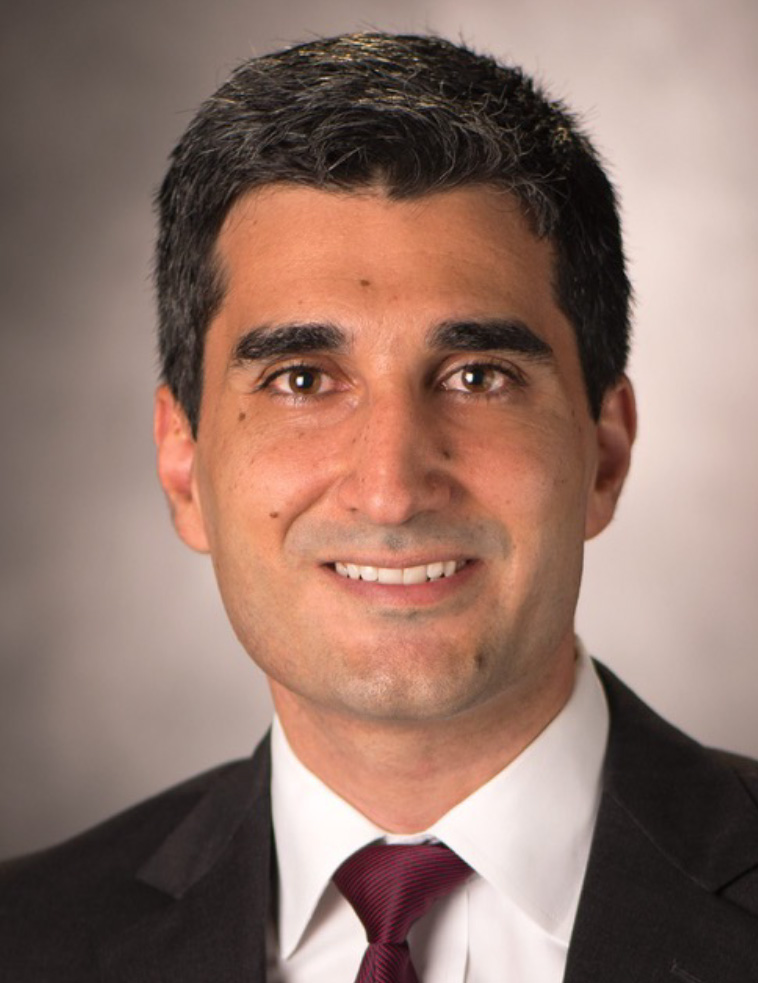
Ghayas Issa, MD, MS
Associate Professor, Department of Leukemia, Division of Cancer Medicine, The University of Texas MD Anderson Cancer Center, Houston, TX
Dr. Ghayas Issa, MD, MS, is a clinical and translational researcher in the Departments of Leukemia and Genomic Medicine at the MD Anderson Cancer Center in Houston, Texas. His work focuses on the genetic underpinnings of leukemia to uncover therapeutic vulnerabilities, mechanisms of disease progression, and treatment response. Through this research, he aims to develop safe and effective targeted therapies. His clinical research centers on menin inhibitors, a novel class of targeted therapies for acute leukemia. He serves as Principal Investigator on numerous investigator-initiated studies and multi-institutional clinical trials, which led to the FDA approval of the menin inhibitor revumenib for KMT2A-rearranged acute leukemia. He is also a lead investigator or steering committee member for global phase 3 trials evaluating menin inhibition in combination with standard of care for newly diagnosed acute myeloid leukemia. At MD Anderson, Dr. Issa leads a precision medicine program for acute leukemias susceptible to menin inhibition, focusing on biomarker discovery, measurable residual disease assays, resistance mechanisms, and rational combination therapies. His research has been published in high-impact journals, including Nature, New England Journal of Medicine, Cell, Journal of Clinical Oncology, Lancet Oncology, and Blood. Dr. Issa’s work has been recognized with numerous honors, including the ASCO Young Investigator Award, the TRTH Award from ASH and EHA, the Paul Calabresi K12 Award, the MD Anderson Faculty Scholar Award, and the Andrew Sabin Award. Dr. Issa earned his medical degree from the Saint Joseph University Faculty of Medicine in Beirut, Lebanon, completed his residency in internal medicine at Mount Sinai/Beth Israel in New York, and his fellowship in hematology/oncology at the University of Texas MD Anderson Cancer Center.
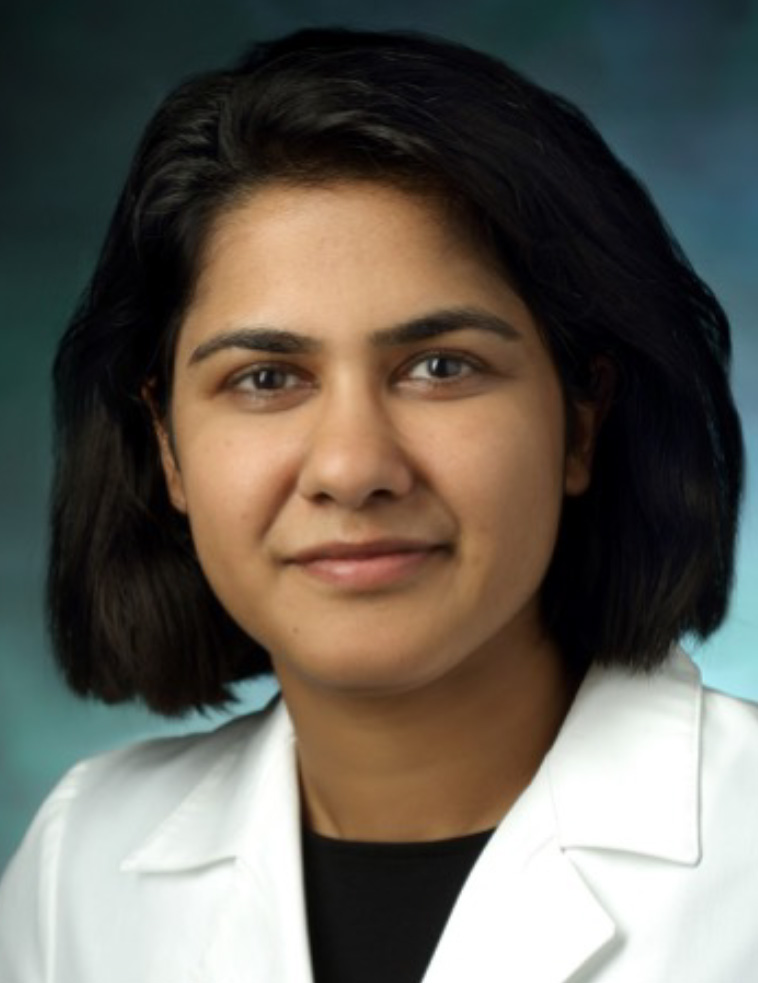
Tania Jain, MBBS
Associate Professor of Oncology, Director, Immune Effector Cell Therapy Program, Division of Hematological Malignancies and Blood or Marrow Transplantation, The Sidney Kimmel Comprehensive Cancer Center, Johns Hopkins University, Baltimore MD
Dr. Tania Jain, MBBS, is a physician scientist in the hematological malignancies and stem cell transplantation division with the Sidney Kimmel Comprehensive Cancer Center at Johns Hopkins. Her academic focus is cellular therapy and transplantation, and the treatment of high-risk hematological malignancies, with a disease focus on myeloproliferative neoplasms. Her primary research focus is to develop strategies to improve outcomes and prevent relapse of hematological malignancies, especially MPN and their overlap with MDS, following allogeneic bone marrow transplantation. She also serves as the Director of Immune Effector Cell (IEC) Therapy at Johns Hopkins, and her academic interest in this space lies in developing novel IEC strategies and studying the safety of CAR T-cell therapy to improve long-term outcomes in these patients.
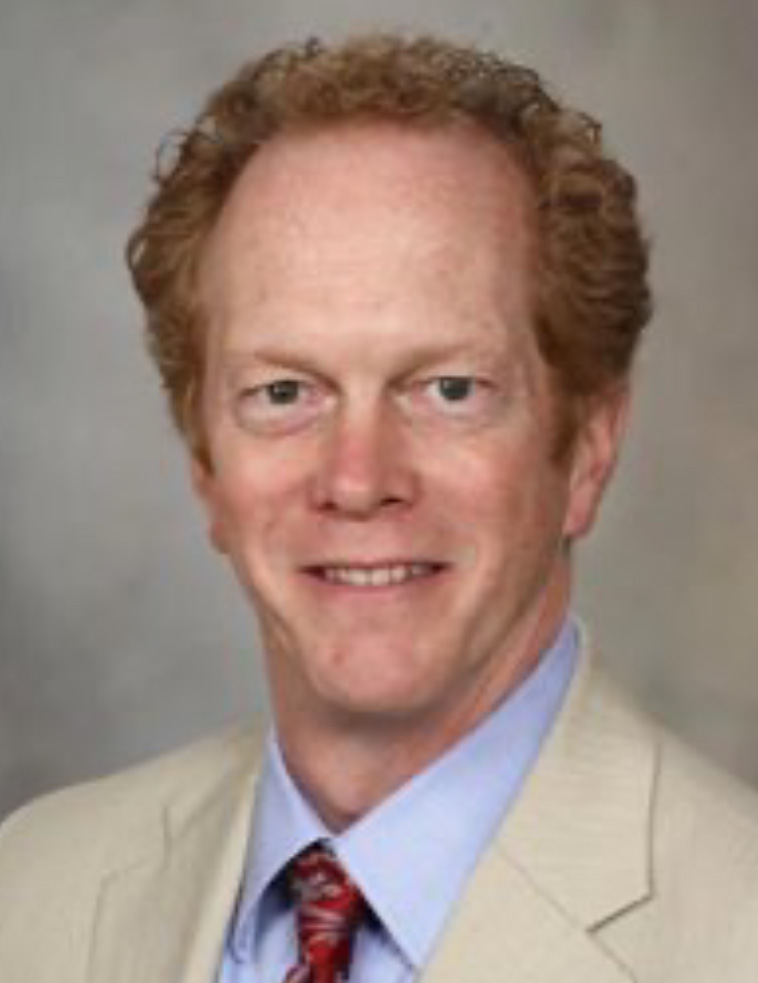
Patrick Johnston, MD, PhD
Associate Professor Mayo Clinic Rochester, MNAssociate Professor Mayo Clinic Rochester, MN
Dr. Patrick Johnston, MD, PhD, is a hematologist and Associate Professor of Medicine at Mayo Clinic in Rochester, Minnesota. He has a PhD in microbiology and an MD from the University of Alabama, and completed his residency and fellowship in internal medicine and hematology/oncology at Mayo Clinic. He is board certified in hematology and has a special interest in lymphoma, stem cell transplantation, and gene therapy. Dr. Johnston has been involved in several clinical trials and research projects on novel therapies and biomarkers for lymphoma and other hematologic malignancies. He has published more than 80 peer-reviewed articles and received several honors and awards, including the Life and Health Insurance Medical Research Fund Fellowship and the Mayo Clinic Quality Fellow Certification.
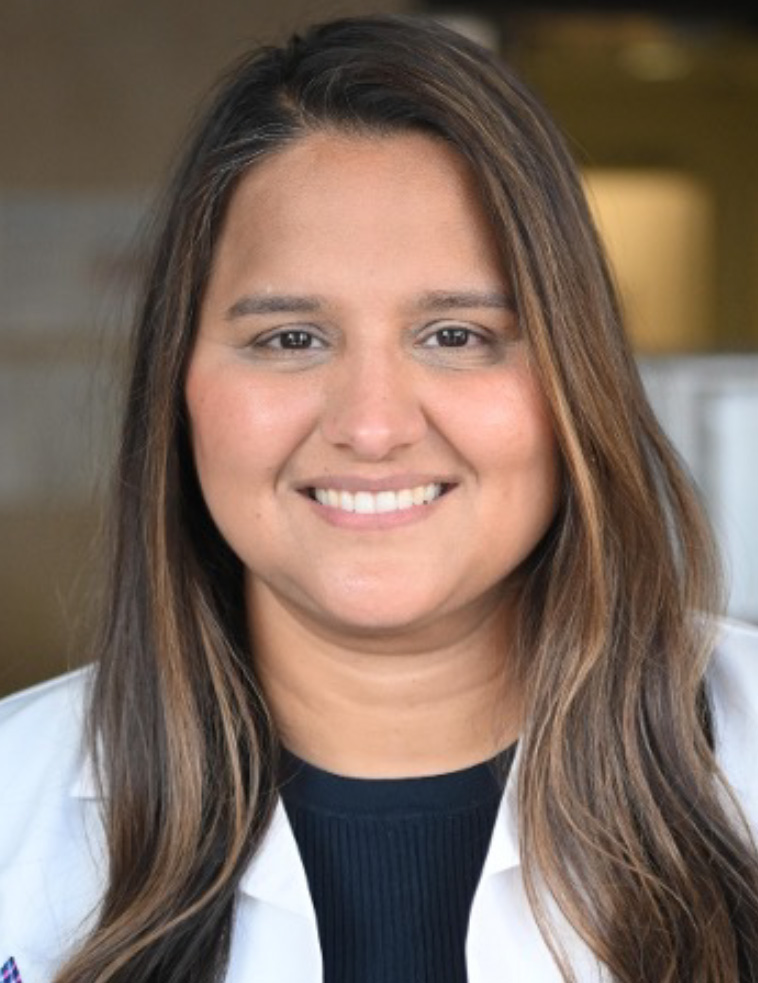
Gurbakhash Kaur, MD
Assistant Professor of Medicine, Hematology and Medical Oncology, Ichan School of Medicine at Mount Sinai, New York, NY
Dr. Gurbakhash Kaur, MD, is an Assistant Professor in Medicine, Department of Hematology and Medical Oncology at the Ichan School of Medicine at Mount Sinai. Her clinical focus includes AL amyloidosis, CAR T-cell therapy, monoclonal gammopathy of uncertain significance (MGUS), multiple myeloma, and smoldering myeloma. After earning her medical degree from Drexel University College of Medicine, Dr. Kaur completed her residency in Internal Medicine at Tufts Medical Center. She continued her training with a fellowship in Hematology and Medical Oncology at Montefiore Medical Center/Albert Einstein College.
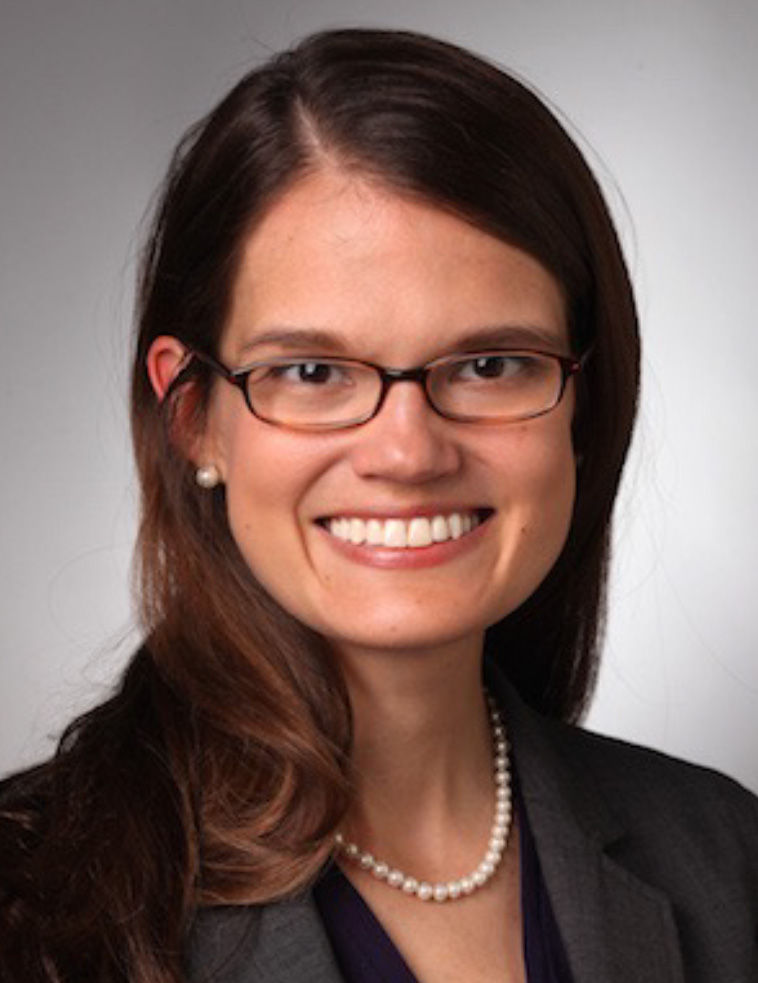
Vanessa Kennedy, MD
Assistant Professor, Department of Medicine, Director of Data Management, Division of Blood and Marrow Transplantation & Cellular Therapy, Stanford University School of Medicine, Stanford, CA
Dr. Vanessa Kennedy, MD, is a board-certified hematologist and medical oncologist who specializes in the treatment of myeloid malignancies, including acute myeloid leukemia (AML), myelodysplastic syndrome (MDS), and myelofibrosis (MF). She is an Assistant Professor in the Department of Medicine, Division of Blood and Marrow Transplantation & Cellular Therapy, at Stanford University School of Medicine. Dr. Kennedy's research focuses on the use of clinical informatics and bioinformatics in understanding cancer biology and improving patient outcomes. She is also actively involved in interventional clinical trials. Her work has been supported by grant funding from the American Society of Clinical Oncology, the American Society of Hematology, and the Chan-Zuckerberg Foundation.
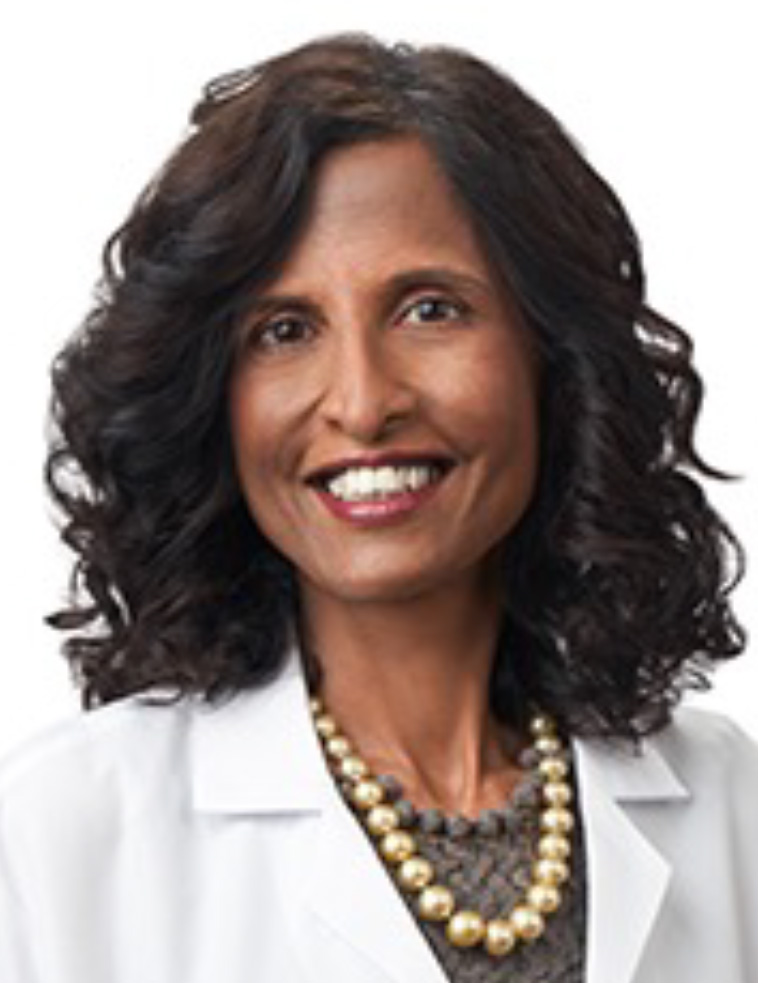
Amrita Krishnan, MD
Nason-Hollingsworth Chair in Multiple Myeloma, Executive Medical Director, Hematology, Director, Judy and Bernard Briskin Multiple Myeloma Center, Professor, Department of Hematology & Hematopoietic Cell Transplantation, City of Hope, Irvine, CA
Dr. Amrita Krishnan, MD, is the executive director of hematology for City of Hope’s Orange County Lennar Foundation Cancer Center and the director of City of Hope Cancer Center Duarte’s Judy and Bernard Briskin Multiple Myeloma Center. A dedicated physician and a pioneering researcher, Dr. Krishnan is a nationally renowned expert in stem cell transplantation and blood cancers. Early in her career, Dr. Krishnan helped change the outlook for HIV positive patients with lymphoma by successfully introducing transplant therapies, at a time when many doubted that these patients could withstand such treatments. Dr. Krishnan trained at top institutions, including the University of Rochester in New York State, Beth Israel Hospital and the Dana-Farber Cancer Institute in Boston, and the Fred Hutchinson Cancer Research Center in Seattle. She is a steering committee member of the Multiple Myeloma Research Foundation, represents North America in the International Myeloma Society, and has co-chaired some of the largest national clinical trials focused on myeloma transplant therapies. Her current research focuses on developing new treatments for relapsed myeloma and uncovering how the disease resists therapy, with the ultimate goal of improving outcomes for patients everywhere.
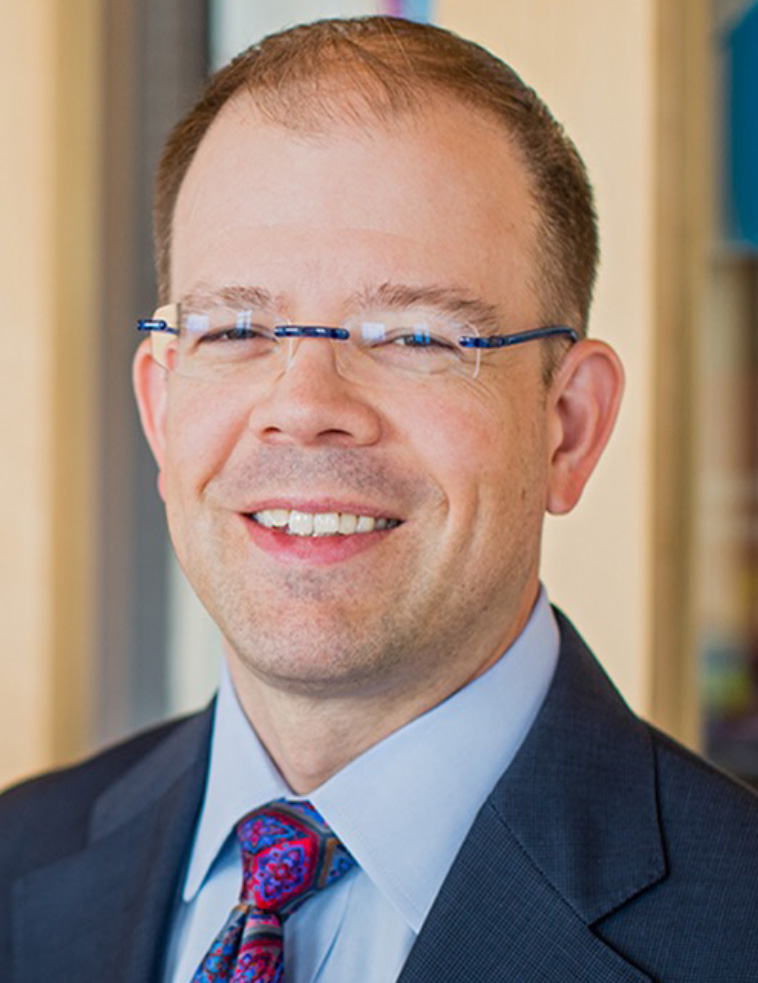
Aaron Logan, MD, PhD
Professor of Clinical Medicine, Director, Hematologic Malignancies Tissue Bank, University of California, San Francisco, San Francisco, CA
Dr. Aaron Logan, MD, PhD, is a Professor of Clinical Medicine at the University of California, San Francisco (UCSF). His clinical practice focuses on the management of patients with acute leukemias, myelodysplastic syndrome, aplastic anemia, and hemophagocytic lymphohistiocytosis. Dr. Logan also runs a research laboratory and is director of the Hematologic Malignancies Tissue Bank at UCSF. Dr. Logan and his laboratory are interested in methods for evaluating clonotypic diversity in the B and T lymphocyte repertoires in patients, particularly following hematopoietic cell transplantation when used to treat blood cancers, bone marrow failure disorders, and congenital immune deficiencies. Methods used in the laboratory currently include T cell receptor excision circle and kappa-deleting recombination circle (TREC/KREC) quantification, high-throughput sequencing of immunoglobulin and T cell receptor genes, and in vitro mixed lymphocyte reactions to identify T cells with specific reactivities. Efforts in the lab are focused on the application of immune repertoire profiling to quantify and track malignancy-, pathogen-, and autoantigen-targeted immune responses following allogeneic transplantation, as well as use of this platform to quantify measurable residual disease in lymphoid malignancies. In Dr. Logan’s lab, the Hematologic Malignancies Tissue Bank at UCSF has been built into a robust resource for samples isolated from patients with a wide diversity of blood cancers and following transplantation, and these samples are made available in a deidentified manner to the UCSF and larger research community for cooperative discovery. After earning his medical degree from the Keck School of Medicine of USC, Dr. Logan completed his residency in Internal Medicine at Stanford University School of Medicine, followed by fellowship training in Hematology at Stanford University School of Medicine.
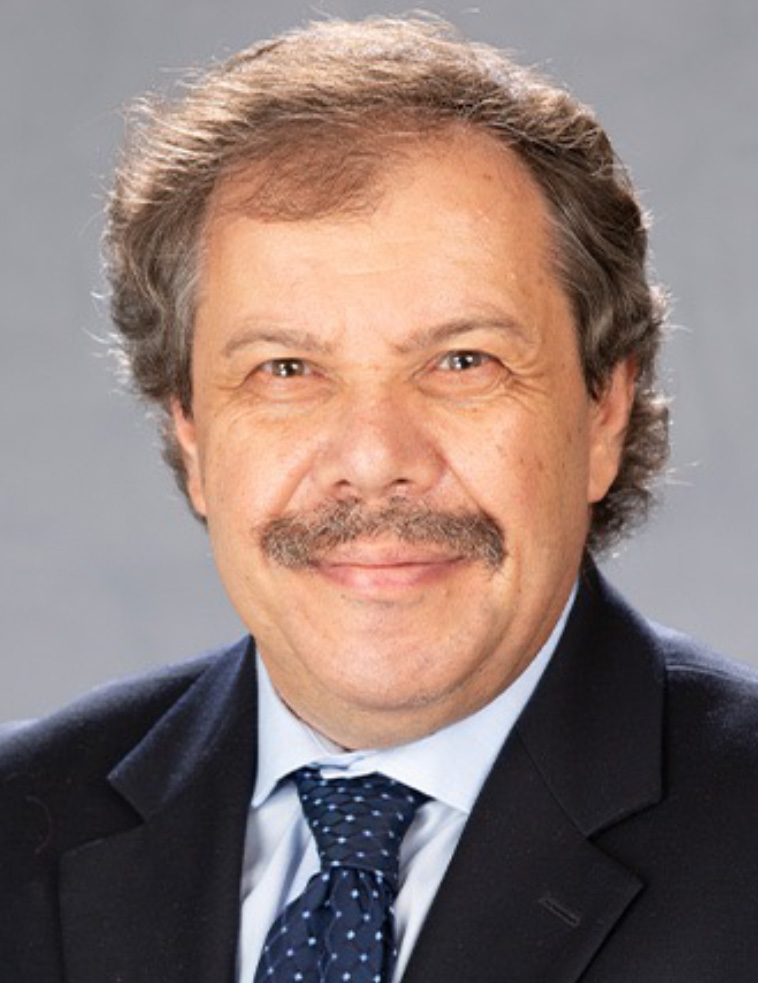
Izidore Lossos, MD
Professor of Medicine, Chief, Lymphoma Section, Division of Hematology, University of Miami Miller School of Medicine, Sylvester Comprehensive Cancer Center, Miami, FL
Dr. Izidore Lossos, MD, is a Professor of Clinical Medicine and Director of the Lymphoma Program at Sylvester Comprehensive Cancer Center, where he holds an endowed chair. He earned his medical degree from Hadassah School of Medicine at Hebrew University in Jerusalem and completed his residency and fellowship in hematology at Hadassah University Hospital, followed by a postdoctoral fellowship at Stanford University. Dr. Lossos’ research focuses on lymphoma pathogenesis, molecular prognostic markers, and novel therapies. He has authored more than 365 publications and has received multiple awards, including the Celgene Young Investigator Award (2007) and the Sylvester Outstanding Cancer Research Award (2012). He is a national and International expert in lymphoma.
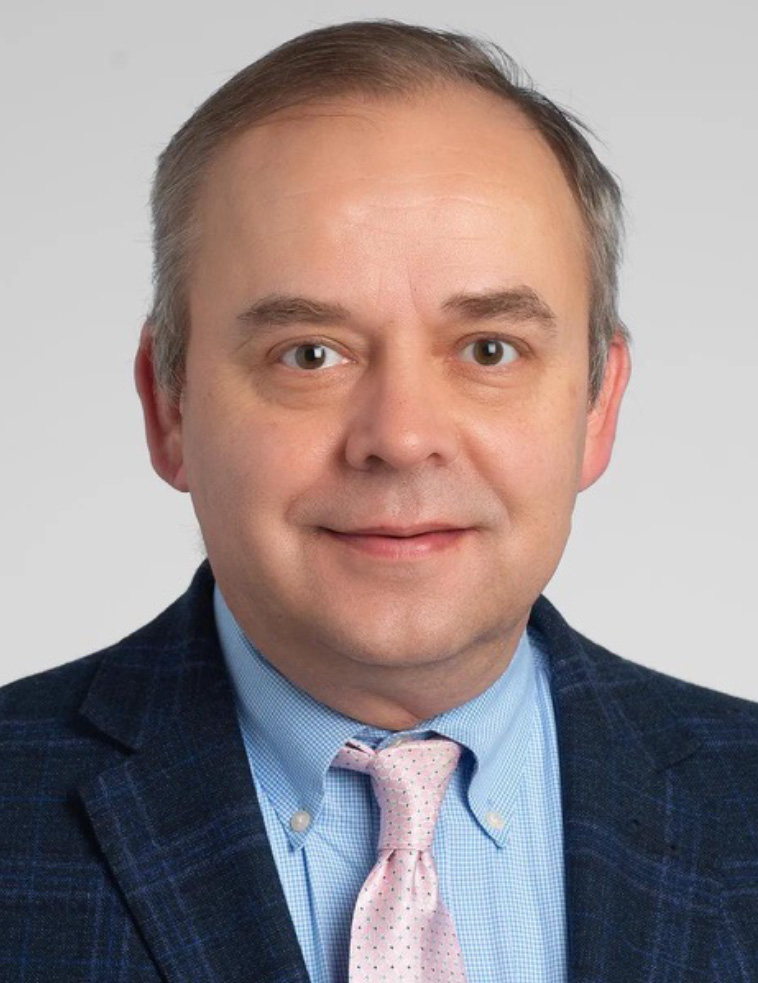
Jaroslaw Maciejewski, MD, PhD, FACP
Professor, Cleveland Clinic Lerner College of Medicine, Chairman, Department of Translational Hematology and Oncology Research, Cleveland Clinic Taussig Cancer Institute, Member, Cancer Genomics and Epigenomics Program, Case Comprehensive Cancer Center, Cleveland, OH
Dr. Aaron Logan, MD, PhD, is a Professor of Clinical Medicine at the University of California, San Francisco (UCSF). His clinical practice focuses on the management of patients with acute leukemias, myelodysplastic syndrome, aplastic anemia, and hemophagocytic lymphohistiocytosis. Dr. Logan also runs a research laboratory and is director of the Hematologic Malignancies Tissue Bank at UCSF. Dr. Logan and his laboratory are interested in methods for evaluating clonotypic diversity in the B and T lymphocyte repertoires in patients, particularly following hematopoietic cell transplantation when used to treat blood cancers, bone marrow failure disorders, and congenital immune deficiencies. Methods used in the laboratory currently include T cell receptor excision circle and kappa-deleting recombination circle (TREC/KREC) quantification, high-throughput sequencing of immunoglobulin and T cell receptor genes, and in vitro mixed lymphocyte reactions to identify T cells with specific reactivities. Efforts in the lab are focused on the application of immune repertoire profiling to quantify and track malignancy-, pathogen-, and autoantigen-targeted immune responses following allogeneic transplantation, as well as use of this platform to quantify measurable residual disease in lymphoid malignancies. In Dr. Logan’s lab, the Hematologic Malignancies Tissue Bank at UCSF has been built into a robust resource for samples isolated from patients with a wide diversity of blood cancers and following transplantation, and these samples are made available in a deidentified manner to the UCSF and larger research community for cooperative discovery. After earning his medical degree from the Keck School of Medicine of USC, Dr. Logan completed his residency in Internal Medicine at Stanford University School of Medicine, followed by fellowship training in Hematology at Stanford University School of Medicine.
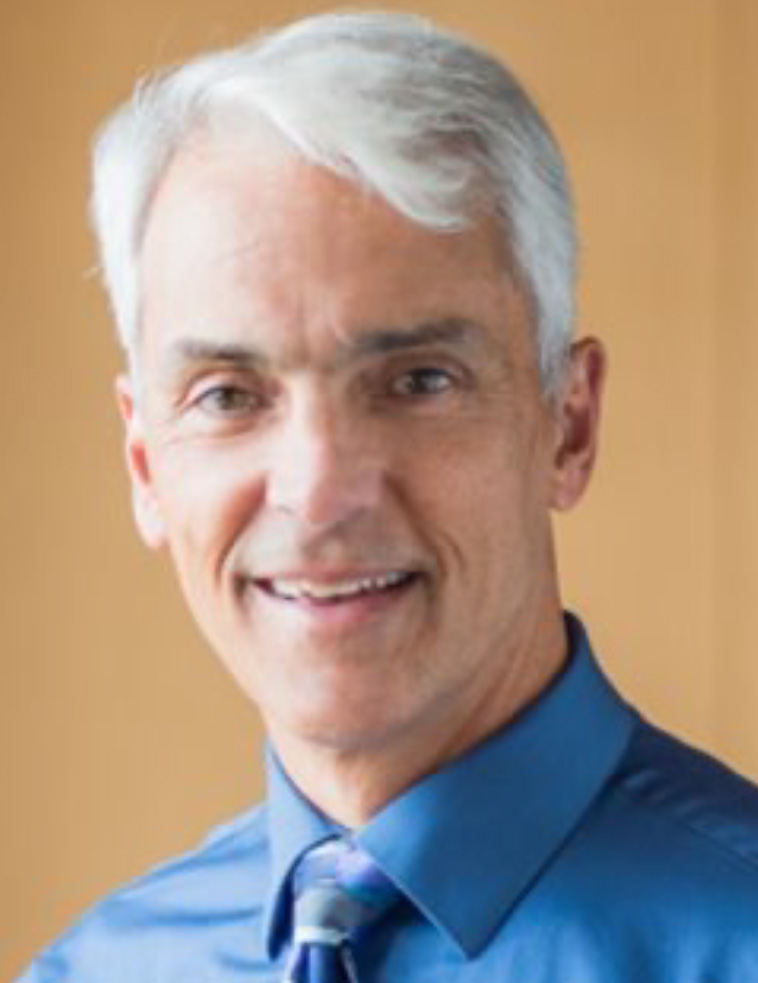
Thomas Martin, MD
Clinical Professor of Medicine, Adult Leukemia and Bone Marrow Transplantation Program, Co-Leader, Cancer Immunology & Immunotherapy Program, Helen Diller Family Comprehensive Cancer Center, Associate Director, Myeloma Program, University of California, San Francisco, San Francisco, CA
Dr. Thomas Martin, MD, is associate director of UCSF's myeloma program and co-Leader of the Cancer Immunology & Immunotherapy Program UCSF Medical Center. He is clinical research director of hematologic malignancies (blood cancers) at the UCSF Helen Diller Family Comprehensive Cancer Center. His research interests include developing treatments for myeloma and leukemia as well as expanding the use of bone marrow transplants. He has a special interest in umbilical cord blood transplants, and he is involved in efforts to improve outcomes for patients who have transplants from unrelated donors. Dr. Martin earned an undergraduate degree at Cornell University and his medical degree at the University of Connecticut School of Medicine. After a medical residency at Harbor-UCLA Medical Center, he completed a fellowship in hematology-oncology at UCSF. In 1999, he joined MD Anderson Cancer Center as an assistant professor of medicine. In 2001, he returned to UCSF.
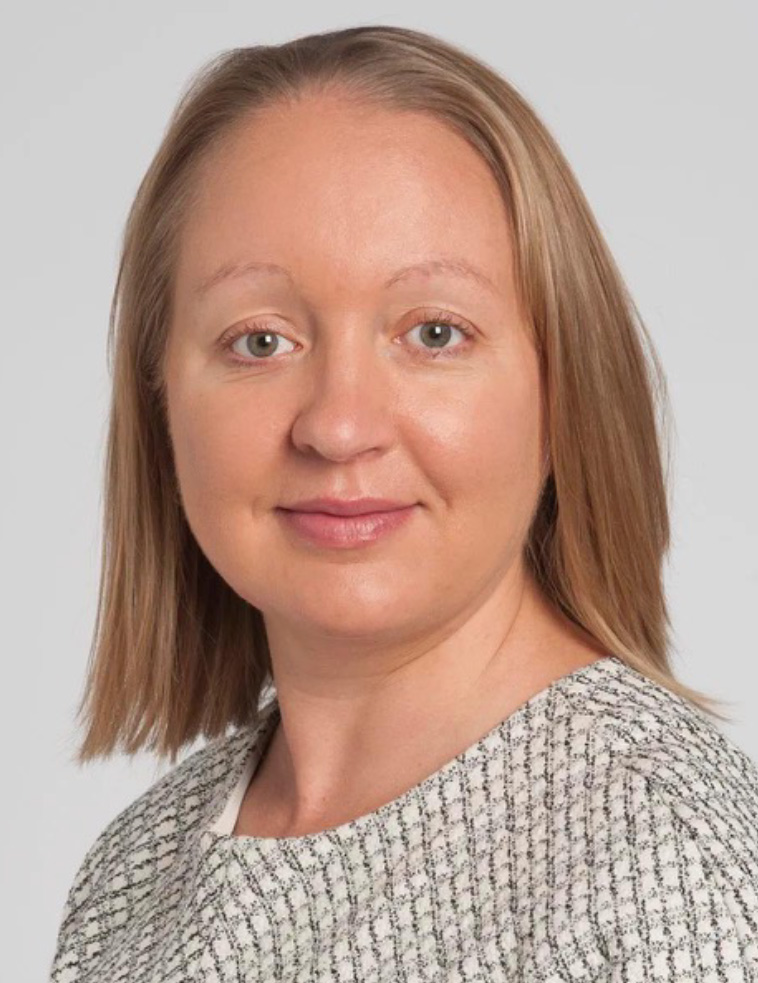
Sandra Mazzoni, DO
Hematologist/Oncologist, Cleveland Clinic, Cleveland, OHSandra Mazzoni, DO Hematologist/Oncologist, Cleveland Clinic, Cleveland, OH Sandra Mazzoni, DO Hematologist/Oncologist, Cleveland Clinic, Cleveland, OH
Dr. Sandra Mazzoni, DO, is a Hematologist/Oncologist at the Cleveland Clinic in Cleveland, OH. Her clinical and research focus is in multiple myeloma. After completing her medical education at the Michigan State University College of Osteopathic Medicine in 2014, Dr. Mazzoni went on to complete her residency at the Michigan State University College of Human Medicine in 2017. She then pursued fellowship training at the Medical University of South Carolina Hospitals, completing her fellowship in 2020.
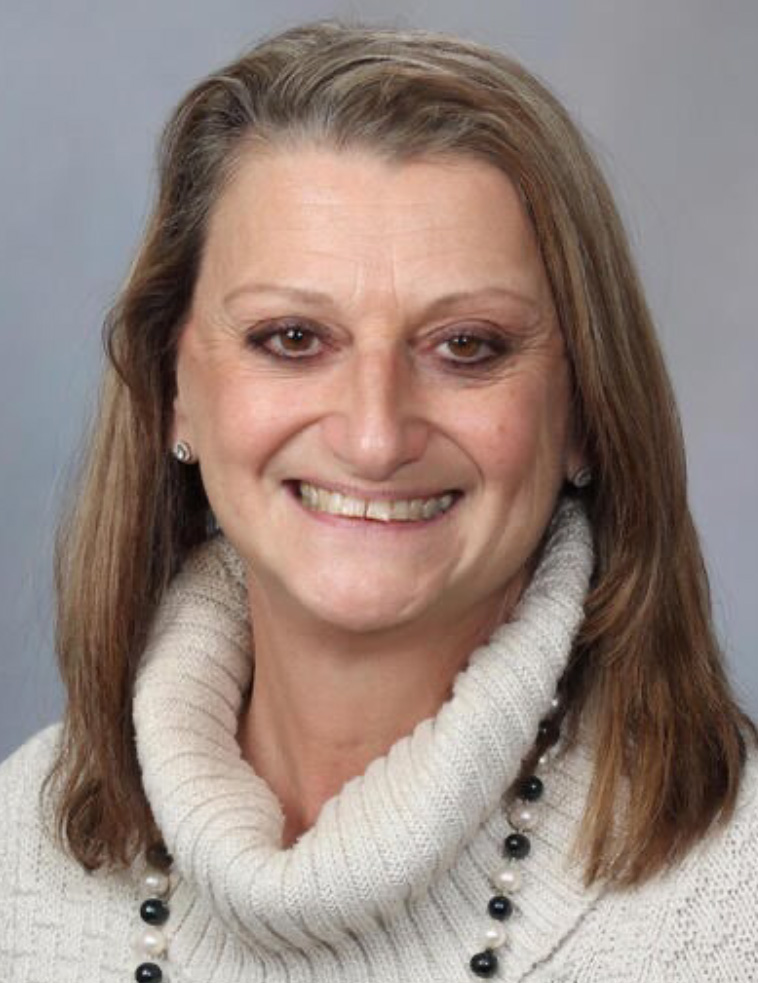
Ivana Micallef, MD
Professor of Medicine, Consultant, Division of Hematology / Blood & Marrow Transplantation, Chair, Lymphoma Disease Group, Mayo Clinic, Rochester, MN
Dr. Ivana Micallef, MD, FRCP(C) is a Consultant, Professor, and Section Head in the Division of Hematology at Mayo Clinic. She earned her medical degree from the University of British Columbia (UBC) in Canada, where she also completed her residency and fellowship training. She also did fellowships in hematologic malignancies and blood and marrow transplantation at the British Columbia Cancer Agency and St. Bartholomew's Hospital in London, UK. Dr. Micallef is board certified in Internal Medicine and Hematology in both the United States and Canada and holds a certification from the Mayo Clinic Quality Academy. Dr. Micallef has received multiple honors for her clinical and research contributions, including the Laureate Award from the Mayo Clinic Department of Medicine and the Best Abstract Award from the Blood and Marrow Transplant Tandem Meetings. She has played an active role in clinical trials and research focused on stem cell transplantation, lymphoma, and stem cell mobilization, and has authored more than 50 peer-reviewed publications in leading medical journals. In addition to her clinical and research work, she is a dedicated educator and mentor to medical students, residents, and fellows, and has contributed to several institutional and national committees in hematology and transplantation.
David Miklos, MD, PhD
Chief, Stanford BMT and Cell Therapy Program, Professor of Medicine, Stanford University, Stanford, CA
Dr. David Miklos, MD, PhD, is the Chief of the Stanford Blood and Marrow Transplantation and Cell Therapy (BMT-CT) Program, which delivers more than 750 cancer cell therapies each year. He leads a program dedicated to advancing both laboratory immunology and clinical translational research, with a focus on improving outcomes for patients with hematologic malignancies. The program’s allogeneic hematopoietic cell transplantation (alloHCT) research centers on optimizing graft content of HSC, conventional T lymphocyte, and regulatory T cell content in order to cures blood cancers via beneficial graft-v-tumor (GVT) immunity while reducing GVHD risk.The program also leads innovative CAR-T cell therapy research, developing approaches that provide direct and highly effective targeting of leukemia and lymphoma without GVHD risk. A major goal of his program is to integrate graft-engineered alloHCT with CAR-T benefit. The Miklos Lab pioneered the use of protein microarray technologies to identify clinically relevant allogeneic antibodies. His clinical research has demonstrated chronic GVHD therapeutic benefits from anti-B-cell agents such as rituximab and ibrutinib. More recently, his team has developed advanced human correlative assays to refine and optimize CAR-T therapy, including ctDNA MRD analysis, flow-based tumor antigen quantification, immune phenotype characterization of CAR-T cells (CAR-FACS), and single-cell RNA profiling of CAR-T products. Dr. Miklos earned his MD and a PhD in Genetics at Yale Medical School before training as a hematologist/oncologist and bone marrow transplant clinician at Brigham and Woman’s hospital and Dana-Farber Cancer Institute at Harvard University. He joined Stanford University in 2004 and became Chief of BMT & Cell Therapy Program in 2020.
Dipenkumar Modi, MD
Associate Professor, School of Medicine, Department of Oncology, Karmanos Cancer Institute, Wayne State University School of Medicine, Detroit, MI
Dr. Dipenkumar Modi, MD, is an Associate Professor of Medicine and Oncology at the Barbara Ann Karmanos Cancer Institute, Wayne State University. He completed his Internal Medicine residency at Wayne State University in 2015, serving as Chief Resident, and his Hematology/Oncology Fellowship at the Karmanos Cancer Institute in 2019, where he was Chief Fellow. He is an active member of the American Society of Hematology (ASH), the American Society of Clinical Oncology (ASCO), the Society for Transplantation and Cellular Therapy (TCT), the Michigan Society of Hematology/Oncology, and the Southwest Oncology Group (SWOG). Dr. Modi specializes in the management of Hodgkin and non-Hodgkin lymphoma, chronic lymphocytic leukemia, CAR-T cell therapy, and stem cell transplantation. He leads several investigator-initiated and industry-sponsored clinical trials focused on developing novel therapeutic strategies for lymphoma. His research aims to advance treatment approaches and improve patient outcomes for aggressive B-cell non-Hodgkin lymphoma. His work has been recognized with multiple honors, including the 2017 ASH Abstract Achievement Award and the 2022 Ernest McCulloch & James Till Award for the best basic science article by a new investigator in Transplantation and Cellular Therapy.
Richa Parikh, MD
Assistant Professor, Department of Hematology and Medical Oncology, Emory University School of Medicine, Winship Cancer Institute, Atlanta, GA
Dr. Richa Parikh, MD, received her medical degree from Grant Government Medical College & Sir J.J. Group of Hospitals in Mumbai, India, in 2014. She completed her Internal Medicine residency training from University of Arkansas for Medical Sciences (UAMS), Little Rock, AR in 2019. She then served as an Assistant Professor/academic hospitalist on the multiple myeloma service at UAMS for two years before returning to Hematology/Oncology fellowship training at Karmanos Cancer Institute/Wayne State University, Detroit, MI which she completed in 2024. She joined Winship Cancer Institute of Emory University as Assistant Professor with a clinical and research focus in multiple myeloma, AL amyloidosis and cellular therapy in 2024. Her primary research focus is evaluating the impact of modifiable lifestyle factors like obesity, diet, gut microbiome, and diabetes on myeloma risk. Other research interests include novel therapies for relapsed-refractory myeloma, utilizing minimal residual disease testing to guide treatment strategies, cellular and immune therapy in myeloma.
Ami Patel, MD
Assistant Professor of Medicine, Division of Hematology and Hematologic Malignancies, Huntsman Cancer Center, University of Utah, Salt Lake City, UT
Dr. Ami Patel, MD, is an Assistant Professor of Medicine within the Division of Hematology and Hematologic Malignancies at the Huntsman Cancer Institute/University of Utah. She is a hematologist and physician-scientist with an NIH-funded independent translational research program investigating the biology of myeloid malignancies, specifically myeloid leukemogenesis as it relates to the intersection of inflammation, aging and oncogenic kinase signaling. Her clinical practice encompasses the diagnosis and treatment of myelodysplastic/myeloproliferative (MDS/MPN) overlap disorders, myeloproliferative neoplasms (MPNs), and acute myeloid leukemia (AML). Dr. Patel's research focuses on understanding cell signaling in myeloid leukemias and the molecular mechanisms governing drug resistance to targeted agents in these diseases. Her laboratory-based research complements her clinical practice by informing novel treatment strategies for implementation in early-phase clinical trials - with the goal of rapidly translating relevant preclinical findings and improving outcomes for leukemia patients. Dr. Patel's laboratory has specific expertise in studying resistance mechanisms to kinase inhibitors that act upon oncogenic kinases such as MEK1/2, BCR-ABL1, JAK2 and FLT3-ITD. Previously, she found that resistance to the FLT3 inhibitor quizartinib is mediated through soluble factors secreted by bone marrow stromal cells in AML (Patel et al, Leukemia, 2020). Dr. Patel has led the effort to functionally characterize a novel JAK2 insertion-deletion mutant associated with resistance to JAK2 inhibition and clinical features of both polycythemia and hypereosinophilia (Patel et al, Blood, 2019). She is the principal investigator on an investigator-initiated trial (NCT04409639) of the MEK inhibitor cobimetinib in RAS/MAPK-activated chronic myelomonocytic leukemia (CMML) that will help define the efficacy of RAS/MAPK inhibition in this disease and elucidate mechanisms of resistance to oncogenic RAS/MAPK signaling in myeloid leukemias. Dr. Patel completed her medical education and training at Northwestern University Feinberg School of Medicine, followed by internal medicine residency and internship at the McGaw Medical Center of Northwestern University, and advanced hematology/oncology fellowship training at the University of Utah, where she also served as Chief Fellow.
Krina Patel, MD, MSc
Associate Professor, Department of Lymphoma/Myeloma, Division of Cancer Medicine, The University of Texas MD Anderson Cancer Center, Houston, TXKrina Patel, MD, MSc
Dr. Krina Patel, MD, MSc, is an Associate Professor in the Department of Lymphoma/Myeloma at the University of Texas MD Anderson Cancer Center. Her clinical interests include multiple myeloma, AL amyloidosis, Waldenstrom’s Macroglobulinemia, POEMS syndrome, and Plasmablastic Myeloma/Lymphoma. Her research interests include phase I/II and phase III trials evaluating CAR T cells, monoclonal antibodies, and other immunotherapy and targeted therapies in newly diagnosed to relapsed/refractory disease. Dr. Patel earned her medical degree from the University of Texas Southwestern Medical Center in 2007. She completed her internal medicine residency at the University of Texas UTHealth and a fellowship in Hematology/Oncology from the University of Texas MD Anderson Cancer Center.
Alexander Perl, MD, MS
Associate Professor of Medicine, Perelman School of Medicine, University of Pennsylvania, Philadelphia, PA
Dr. Alexander Perl, MD, MS, is an Associate Professor of Medicine at the Perelman School of Medicine and a member of the leukemia program at the Abramson Cancer Center, University of Pennsylvania. He earned his medical degree from the Mount Sinai School of Medicine and a Master’s in Translational Research from the University of Pennsylvania. Following his residency in internal medicine at the University of California, San Francisco, he completed a fellowship in medical oncology at Johns Hopkins Hospital. Dr. Perl has been on the faculty at the University of Pennsylvania since 2003, with a clinical and research focus on molecularly targeted therapies for acute leukemia. His research focuses on molecularly-targeted therapeutics for acute leukemia. His principal expertise is in FLT3 inhibitors for AML and he has played a leading role in clinical trails of these agents. He also studies other agents targeting signal transduction, such as tyrosine kinase inhibitors for Ph-like ALL and inhibitors of oncogenic PI3K/AKT/mTOR signaling. His laboratory studies focus on phospho-specific flow cytometry of fixed, unfractionated blood and marrow as a method to quantify pharmacodynamic response to signal transduction inhibitors. He is additionally interested in preclinical drug screening in cellular and murine xenotransplantation models of acute leukemia. An accomplished researcher, Dr. Perl has authored over 100 original research articles, reviews, commentaries, and book chapters. He is a sought-after speaker on AML management in the era of novel therapeutics and contributes to U.S. national practice guidelines as a member of the National Comprehensive Cancer Network (NCCN) AML panel. His laboratory research includes pre-clinical drug evaluation, pharmacodynamic studies of targeted agents in clinical trials, and the study of resistance mechanisms to targeted therapies.

Benjamin Puliafito, MD
Instructor in Medicine, Harvard Medical School, Assistant in Medicine, Massachusetts General Hospital, Boston, MABenjamin Puliafito, MD Instructor in Medicine, Harvard Medical School, Assistant in Medicine, Massachusetts General Hospital, Boston, MA
Dr. Benjamin Puliafito, MD, is a physician at the Mass General Brigham Cancer Institute in the Center for Multiple Myeloma and Cellular Immunotherapy Service and instructor in medicine at Harvard Medical School. He specializes in multiple myeloma, AL amyloidosis, and cellular immunotherapy. His clinical research is focused on improving cellular immunotherapy for multiple myeloma, including toxicity management, investigation of novel cell therapies, and consolidation approaches.
Armin Rashidi, MD, PhD
Associate Professor of Medicine, Division of Medical Oncology, University of Washington School of Medicine, Fred Hutchinson Cancer Center, Seattle, WA
Dr. Armin Rashidi, MD, PhD, is an Associate Professor at Fred Hutch Cancer Center, with clinical expertise in hematologic malignancies and hematopoietic cell transplantation. He graduated from fellowship at Washington University in 2016 and then joined the University of Minnesota as faculty. In 2022 he moved to Seattle where he continues to work as a transplant and cellular therapy physician. His research expertise is in the microbiome and graft-versus-host disease. In discovery-phase studies, Armin investigates how the microbiome influences the outcomes of transplantation, while in therapeutic trials he tries to harness the microbiota to improve treatment outcomes and make cure from cancer less toxic. He has led some of the key studies of fecal microbiota transplantation in this patient population.
Shahzad Raza, MD, FACP
Associate Professor Medicine, Cleveland Clinic Lerner College of Medicine, Cleveland Clinic Taussig Cancer Institute, Case Western Reserve University School of Medicine, Cleveland, OH
Dr. Shahzad Raza, MD, FACP, is an Associate Professor of Medicine at the Cleveland Clinic Lerner College of Medicine and a staff hematologist-oncologist at the Taussig Cancer Institute. Board-certified in Internal Medicine, Hematology, and Oncology, he specializes in plasma cell disorders with a focus on multiple myeloma and AL amyloidosis. Over his distinguished career, Dr. Raza has held key academic and leadership roles at several premier institutions, including Columbia University Medical Center and the University of Missouri–Kansas City, where he also served as Site Director of the Hematology & Oncology Fellowship Program and Co-Director of the AL Amyloidosis Program. At the Cleveland Clinic, Dr. Raza leads and collaborates on cutting-edge clinical trials investigating bispecific antibodies and CAR-T cell therapies in multiple myeloma and amyloidosis. He has delivered national presentations at the American Society of Hematology (ASH) and authored more than 80 peer-reviewed publications advancing therapeutic innovations in plasma cell disorders, including in the New England Journal of Medicine. Dr. Raza actively contributes to committees of the American Society of Hematology, the American Board of Internal Medicine, and the U.S. Myeloma Innovation Research Collaborative, as well as the ASH Amyloidosis Guideline and Risk Factors Working Committee, reflecting his national leadership in the field. Consistently recognized among the Best Doctors in America (2021–2025), he has earned numerous honors for excellence in research, mentorship, and patient care. His work continues to bridge groundbreaking science with compassionate clinical practice, shaping the future of therapy for complex hematologic malignancies.
Shambavi Richard, MD
Associate Professor of Medicine, Director of Myeloma CAR-T Research Program and Stem Cell Transplant, Tisch Cancer Institute, Icahn School of Medicine at Mount Sinai, New York, NY
Dr. Shambavi Richard, MD, is Associate Professor of Medicine (Hematology and Medical Oncology) with The Center of Excellence for Multiple Myeloma. She sees multiple myeloma patients at the Ruttenberg Treatment Center at The Mount Sinai Hospital. Dr. Richard is the Director of the CAR-T Research Program and Stem Cell Transplant for Multiple Myeloma. In this capacity she leads innovative research approaches for the Myeloma CAR-T Program. Dr. Richard applies a multidisciplinary approach for each of her patients alongside her collaborative team members. In practice for more than 20 years, Dr. Richard has extensive experience in transplantation for multiple myeloma. She is a principal investigator and is involved in several Phase 1, Phase 2, and first-in-human clinical trials in multiple myeloma with a focus on several novel therapies, including antibody-based therapies, immunotherapy, and targeted therapy treatment approaches. The Multiple Myeloma Program has played a pivotal role in the approval of several recent drugs that are now FDA-approved for the treatment of multiple myeloma.

Cesar Rodriguez, MD
Associate Professor of Medicine, Clinical Director of Multiple Myeloma, The Tisch Cancer Institute, Icahn School of Medicine at Mount Sinai, New York, NY
Dr. Cesar Rodriguez, MD, is Associate Professor of Medicine at the Icahn School of Medicine at Mount Sinai, The Tisch Cancer Institute, and the Center of Excellence for Multiple Myeloma, and serves as Clinical Director of Multiple Myeloma at The Mount Sinai Hospital. Dr. Rodriguez has extensive experience treating patients with plasma cell disorders, including multiple myeloma, AL amyloidosis, POEMS syndrome, plasma cell leukemia, and monoclonal gammopathy of undetermined significance (MGUS). He is a member of the International Myeloma Working Group, which conducts collaborative research and produces consensus guidelines for the myeloma community. Dr. Rodriguez has more than 10 years of experience in clinical research and is the principal investigator of numerous clinical trials for multiple myeloma focused on early drug development and immunotherapies that include T cell and NK cell directed therapies. He also is working on a 3D organoid model to better understand the biology of the tumor niche. Dr. Rodriguez received his medical degree in Monterrey, Mexico and completed training in Internal Medicine at Texas Tech University and a fellowship in Hematology/Oncology at the University of Louisville. He received transplant training at Seattle Cancer Care Alliance, Memorial Sloan Kettering, and Massachusetts General Hospital. He is part of the Wake Forest Institute of Regenerative Medicine, ASBMT Practice Guidelines Committee, BMT-CTN Myeloma Committee, Alliance Myeloma Committee, and the International Myeloma Working Group.

Shayna Sarosiek, MD
Assistant Professor of Medicine, Harvard Medical School, Associate Physician, Brigham and Women’s Hospital, Senior Physician, Dana-Farber Cancer Institute, Boston, MA
Dr. Shayna Sarosiek, MD, attended medical school at University of Miami in Miami, Florida. She completed her residency training, as well as an amyloidosis fellowship and Hematology & Oncology fellowship, at Boston University and Boston Medical Center. She is currently an Assistant Professor at Harvard School of Medicine and a senior physician in the Bing Center for Waldenström’s Macroglobulinemia at Dana-Farber Cancer Institute. Dr. Sarosiek cares for patients with Waldenström’s Macroglobulinemia, as well as IgM-related disorders, such as amyloidosis and anti-MAG neuropathy. She leads clinical trials advancing novel biologically active agents for Waldenström’s Macroglobulinemia.

Yazeed Sawalha, MD
Associate Professor (Clinical), Division of Hematology, Department of Internal Medicine, Chair, Lymphoma Quality Committee, The Ohio State University, Columbus, OH
Dr. Yazeed Sawalha, MD is an Associate Professor in the Division of Hematology at The Ohio State University Comprehensive Cancer Center in Columbus, Ohio. Dr. Sawalha earned his medical degree from the University of Jordan and completed his Internal Medicine Residency and Hematology and Oncology Fellowship at the Cleveland Clinic. Dr. Sawalha’s research focus is on the use of novel agents in B-cell lymphomas. He has led several national clinical trials using combinations of novel therapies and authored or co-authored several peer-reviewed manuscripts published in high-impact journals.

Stephen Schuster, MD
Director, Lymphoma Program, Director, Lymphoma Translational Research, Abramson Cancer Center, Robert and Margarita Louis-Dreyfus Professor, Chronic Lymphocytic Leukemia and Lymphoma Clinical Care and Research, University of Pennsylvania, Philadelphia, PA
Dr. Stephen Schuster, MD, is the Robert and Margarita Louis-Dreyfus Professor of CLL and Lymphoma at the University of Pennsylvania. He is also the director of the Lymphoma program and director of Lymphoma Translational Research at Abramson Cancer Center. After graduating AOA from Jefferson Medical College and completing his residency at Pennsylvania Hospital, Dr. Schuster completed clinical and research fellowships at the Cardeza Foundation for Hematologic Research. In 1989, he became a member of the Cardeza Foundation at Jefferson Medical College. Dr. Schuster joined the University of Pennsylvania in 1998. Since then, his research has focused on the development and application of novel immunotherapies for B-cell lymphomas and CLL, including autologous tumor-derived vaccines, autologous costimulated T-cells, radioimmunotherapy, monoclonal antibody therapy, and adoptive immunotherapy using chimeric antigen receptor modified T cells. Dr. Schuster has received numerous awards for outstanding teaching and research. He has over 150 publications.
Madhav Seshadri, MD
Assistant Professor of Medicine, Division of Hematology and Oncology, Helen Diller Family Comprehensive Cancer Center, University of California, San Francisco, San Francisco, CA
Dr. Madhav Seshadri, MD, is a hematologist-oncologist who specializes in caring for patients with blood cancers, with a particular focus on lymphoma, chronic lymphocytic leukemia, and cellular therapies. In his research, Dr. Seshadri focuses on developing new combinations of immunotherapy and targeted therapies to improve outcomes for patients with lymphoma.
Harsh Shah, DO
Associate Professor, Division of Hematology/BMT, Huntsman Cancer Center, University of Utah, Salt Lake City, UTHarsh Shah, DO Associate Professor, Division of Hematology/BMT, Huntsman Cancer Center, University of Utah, Salt Lake City, UT
Dr. Harsh Shah, DO, is an Associate Professor of Medicine in the Division of Hematology/BMT at the Huntsman Cancer Center, University of Utah. Dr. Shah’s clinical expertise is in the treatment of various lymphomas, such as Hodgkin’s Lymphoma, T-cell Lymphomas, DLBCL, Mantle Cell Lymphoma, Follicular Lymphoma, CLL, etc. He has a research interest in immunotherapy resistance pathways in the treatment of Hodgkin Lymphomas, particularly the role of Tumor Associated Macrophages. He is also interested in outcomes research and novel educational strategies for medical students, residents, and fellows. He completed his internal medicine training at Indiana University in Indianapolis and hematology and oncology fellowship at Karmanos Cancer Institute/Wayne State University in Detroit, Michigan. He is certified in both hematology and oncology.
Kenneth Shain, MD, PhD
Assistant Professor, University of South Florida Morsani College of Medicine, Director, Myeloma Research Center, Associate Member, Department of Malignant Hematology, H. Lee Moffitt Cancer Center,
Tampa, FL
Dr. Kenneth Shain, MD, PhD, is an associate member in the Malignant Hematology program in the Department of Malignant Hematology, Tumor Biology, and the Chemical Biology and Molecular Medicine Program. Dr. Shain has also been appointed as an Assistant Professor at the University of South Florida Morsani College of Medicine in the Department of Oncologic Sciences. Dr. Shain is also a Director of the Myeloma Research Center. Dr. Shain is a clinician scientist with a primary focus in multiple myeloma and other plasma cell relation disorders (including Waldenstrom Macroglobulinemia and Primary Amyloidosis). Dr. Shain earned his MD from the University of South Florida Morsani College of Medicine. He then pursued his PhD under the mentorship of Dr. William Dalton at Moffitt Cancer Center and the University of South Florida College of Medicine. He completed his residency in Internal Medicine at the University of South Florida College of Medicine and further specialized by completing a fellowship in Hematology/Oncology at the same institution. This comprehensive training has equipped Dr. Shain with a robust foundation in both clinical practice and research, enabling him to make significant contributions to the field of malignant hematology. His translational research has focused on the mechanisms by which components of the bone marrow microenvironment influence myeloma biology, survival, and drug response. He is currently collaborating with a wide range of Moffitt and non-Moffitt researchers, mathematicians, clinicians and other groups to carry out his research goals.
William Shomali, MD
Clinical Assistant Professor of Hematology, Stanford University School of Medicine, Stanford, CA
Dr. Kenneth Shain, MD, PhD, is an associate member in the Malignant Hematology program in the Department of Malignant Hematology, Tumor Biology, and the Chemical Biology and Molecular Medicine Program. Dr. Shain has also been appointed as an Assistant Professor at the University of South Florida Morsani College of Medicine in the Department of Oncologic Sciences. Dr. Shain is also a Director of the Myeloma Research Center. Dr. Shain is a clinician scientist with a primary focus in multiple myeloma and other plasma cell relation disorders (including Waldenstrom Macroglobulinemia and Primary Amyloidosis). Dr. Shain earned his MD from the University of South Florida Morsani College of Medicine. He then pursued his PhD under the mentorship of Dr. William Dalton at Moffitt Cancer Center and the University of South Florida College of Medicine. He completed his residency in Internal Medicine at the University of South Florida College of Medicine and further specialized by completing a fellowship in Hematology/Oncology at the same institution. This comprehensive training has equipped Dr. Shain with a robust foundation in both clinical practice and research, enabling him to make significant contributions to the field of malignant hematology. His translational research has focused on the mechanisms by which components of the bone marrow microenvironment influence myeloma biology, survival, and drug response. He is currently collaborating with a wide range of Moffitt and non-Moffitt researchers, mathematicians, clinicians and other groups to carry out his research goals.
Melody Smith, MD, MS
Assistant Professor of Medicine, Division of Blood & Marrow Transplantation and Cellular Therapy, Stanford University School of Medicine, Stanford, CA
Dr. Melody Smith, MD, MS, is a board-certified, fellowship-trained medical oncologist and hematologist. She is an Assistant Professor in the Department of Medicine within the Division of Blood & Marrow Transplantation and Cellular Therapy. She is also a physician-scientist who conducts extensive research. As a medical student, she completed a fellowship at the National Institutes of Health (NIH) in the Clinical Research Training (now, the Medical Research Scholars) Program. Subsequently, after her clinical fellowship, she was a post-doctoral researcher at Memorial Sloan Kettering Cancer Center. Her lab's research focuses on studying the biology of chimeric antigen receptor (CAR) T cells to improve the therapy's efficacy and safety (1) by examining donor (Nature Medicine, 2017) and off-the-shelf CAR T cells in mouse models and (2) by investigating how the intestinal microbiome affects CAR T cell response (Nature Medicine, 2022). Dr. Smith presents her research findings at regional, national, and international conferences. Additionally, she has co-authored articles on topics in cancer immunology, including cancer immunotherapy, stem cell transplantation, and CAR T cell therapy. Her work has been published in journals such as Nature, Nature Immunology, Nature Medicine, Blood, and Transplantation and Cellular Therapy. She serves as a peer reviewer for publications like NEJM Evidence, Science Advances, Blood, Cancer Cell, and Molecular Therapy. She has also contributed chapters to books, including Pocket Oncology, Current Concepts and Controversies in Hematopoietic Cell Transplantation, and Advanced Concepts in Human Immunology: Prospects for Disease Control. She has received numerous honors; the American Society of Hematology, the American Society for Clinical Investigation, the Society for Immunotherapy of Cancer, the European Society for Blood and Marrow Transplantation, and several other professional organizations have recognized her achievements as a clinician, researcher, and scholar.
Jacob Soumerai, MD
Assistant Professor, Harvard Medical School, Associate Physician, Co-Lead, Lymphoma Clinical and Translational Biobanking Program, Massachusetts General Hospital, Boston, MA
Dr. Jacob Soumerai, MD, is an Assistant Professor of Medicine at Harvard Medical School and a Clinical Investigator in Lymphoma in the Department of Medicine at Massachusetts General Hospital. He specializes in the care of patients with chronic lymphocytic leukemia (CLL), small lymphocytic lymphoma (SLL), and B-cell lymphomas, which are also the focus of his clinical and research efforts. He is dedicated to advancing the field through innovative clinical trials that evaluate novel combinations of biologically directed therapies for B-cell lymphomas and CLL. Dr. Soumerai earned his medical degree from Tufts University School of Medicine. He completed his residency at Massachusetts General Hospital and went on to pursue his fellowship training at Memorial Sloan Kettering Cancer Center. He is board-certified in medical oncology and hematology.
Ulrich Steidl, MD, PhD
Professor, Department of Cell Biology, Professor, Department of Oncology, Professor, Department of Medicine, Chair, Department of Cell Biology, Co-Director, Blood Cancer Institute, Interim Director, Montefiore Einstein Comprehensive Cancer Center, Albert Einstein College of Medicine, Bronx, NY
Dr. Ulrich Steidl, MD, PhD, graduated from the University of Heidelberg Medical School and the German Cancer Research Center in Heidelberg, Germany. He trained as a postdoctoral researcher at Harvard Medical School, Boston, USA, and joined the Albert Einstein College of Medicine, Bronx, New York, USA, in 2008, where he currently serves as Interim Director of the Montefiore Einstein Comprehensive Cancer Center and Professor and Chair of the Department of Cell Biology. He also holds appointments as Professor of Oncology and as a faculty member of the Ruth L. and David S. Gottesman Institute for Stem Cell Research and Regenerative Medicine.
Chaitra Ujjani, MD
Professor, Clinical Research Division, Fred Hutchinson Cancer Research Center, Clinical Professor of Medicine, Division of Hematology/Oncology, University of Washington, Seattle, WA
Dr. Chaitra Ujjani, MD, is Clinical Professor of Medicine in the Division of Hematology/Oncology at the University of Washington and Professor at the Fred Hutchinson Cancer Research Center, Clinical Research Division. Dr. Ujjani earned her medical degree from the University of Alabama School of Medicine in Birmingham and completed a residency in internal medicine at the Hospital of the University of Pennsylvania. She subsequently completed a fellowship in hematology and oncology at the Lombardi Comprehensive Cancer Center, Georgetown University Hospital. Dr. Ujjani specializes in the treatment of lymphomas and chronic lymphocytic leukemia (CLL), with a focus on designing and leading clinical trials to develop new drug combinations that precisely target cancer while minimizing side effects. Her research also explores immunotherapies that engineer patients’ immune cells to recognize and attack cancer. She is an active member of the Leukemia & Lymphoma Society and has presented her research at national and international conferences, including the annual meeting of the American Society of Hematology.

Peter Voorhees, MD
Professor, Cancer Medicine, Wake Forest University School of Medicine, Atrium Health Levine Cancer Institute, Charlotte, NC
Dr. Peter Voorhees, MD, earned his medical degree from the University of Michigan and completed his postgraduate training in internal medicine, including a residency and chief residency, at the University of Wisconsin. He then pursued a fellowship in hematology and oncology at the University of North Carolina at Chapel Hill. Currently, Dr. Voorhees serves as a Professor of Cancer Medicine at Wake Forest University School of Medicine and a hematologist/oncologist at Atrium Health Levine Cancer Institute. Board-certified in both hematology and internal medicine, Dr. Voorhees focuses his research on innovative treatment approaches for multiple myeloma. Additionally, he investigates the mechanisms underlying chemotherapy-induced toxicity and works on developing predictive tools for treatment-related adverse events.
Sven de Vos, MD, PhD
Professor, Division of Hematology and Oncology, Director, UCLA Lymphoma Program, Chair, JCCC Data Safety Monitoring Board, UCLA Medical Center, Los Angeles, CA
Dr. Sven de Vos, MD, PhD, is the Director of the UCLA Lymphoma Program, where he oversees an extensive clinical trial portfolio focused on promising novel agents and innovative clinical trial concepts. As Chair of the JCCC Data and Safety Monitoring Board, Dr. De Vos reorganized the board and ensures the safe conduct of investigator-initiated cancer clinical trials at UCLA. In his research laboratory, Dr. De Vos focuses on identifying novel therapeutic targets for lymphoma, including the role of pim kinases in lymphomagenesis. His team has also developed Sindbis E2–based lentiviral platforms and membrane-anchored single-chain antibodies for CD20- and CD30-directed lymphoma therapies. His work has contributed to first-in-human studies, including a phase I clinical trial of a novel pim kinase inhibitor. Dr. De Vos earned his medical degree from Universität Tübingen, completed his residency in Internal Medicine at Cedars-Sinai Medical Center, and finished his fellowship in Hematology/Oncology Research at Universität Hospital Freiburg
Yucai Wang, MD, PhD
Associate Professor of Medicine & Oncology, Consultant, Division of Hematology, Mayo Clinic, Rochester, MN
Dr. Yucai Wang, MD, PhD, is an Associate Professor of Medicine and Oncology and a Consultant in the Division of Hematology. He has received numerous honors and awards recognizing his academic excellence and research contributions, including the Career Development Award from the Conquer Cancer Foundation of ASCO and the Clinical Investigator Career Development Award from the Lymphoma Research Foundation. Dr. Wang holds leadership roles across several professional societies and committees and serves as a peer reviewer for multiple high-impact journals in hematology and oncology. His research focuses on lymphoma, chronic lymphocytic leukemia, and cellular therapy. He has authored and co-authored more than 150 publications in these areas. After earning his MD from Nanjing University School of Medicine in 2005, Dr. Wang completed his PhD in Cancer Biology in 2012 at The University of Texas Graduate School of Biomedical Sciences at Houston. He subsequently completed a postdoctoral fellowship in Cancer Genetics at The University of Texas MD Anderson Cancer Center in 2013. He went on to complete an Internal Medicine residency at New Jersey Medical School, Rutgers University, in 2016, followed by a Hematology and Oncology fellowship in 2019 through the Programs in Rochester at the Mayo Clinic College of Medicine.
Wyndham Wilson, MD, PhD
Head, Lymphoma Therapeutics Section Senior Investigator Lymphoid Malignancies Branch Center for Cancer Research National Cancer Institute Bethesda, MDWyndham Wilson, MD, PhD
Dr. Wyndham H. Wilson, MD, PhD is Head of the Lymphoma Therapeutics Section within the Lymphoid Malignancies Branch at the Center for Cancer Research, National Cancer Institute (NCI). He earned his medical degree and completed his residency at Stanford University and pursued his fellowship in oncology at the NCI, NIH. His interest is in the pathobiology and treatment of lymphomas through precision medicine studies that uniquely integrate molecular biology and clinical science. He has had a special focus on drug scheduling and pharmacodynamics that led to the development of Dose-adjusted-EPOCH-R; now a standard for untreated aggressive B-cell lymphomas including Burkitt lymphoma, Primary Mediastinal B-cell Lymphoma, Gray Zone lymphoma, Double-hit B-cell lymphomas, HIV-associated diffuse large B-cell lymphoma (DLBCL), and high-risk DLBCL NOS. His efforts have involved first-in-class clinical studies in diffuse large B cell lymphoma (DLBCL) of taxanes (paclitaxel), BH3-mimetics (navitoclax), proteosome inhibitors (bortezomib) and BTK inhibitors (ibrutinib) targeting B-cell receptor (BCR) signaling.
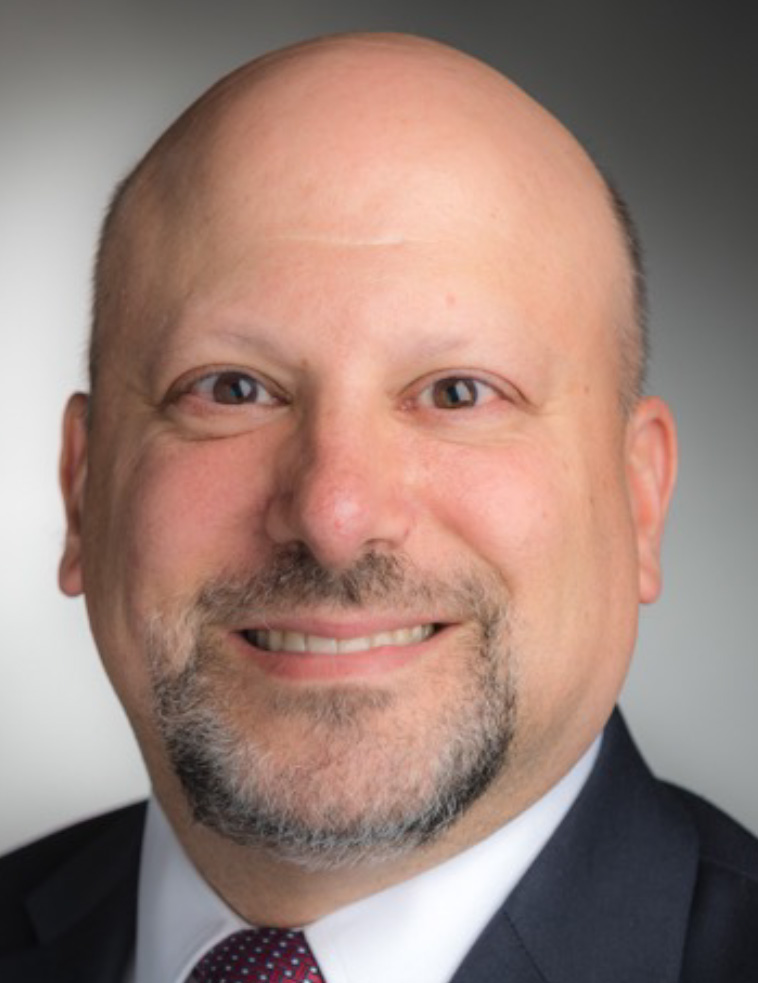
Eric Winer, MD
Assistant Professor of Medicine, Harvard Medical School, Clinical Director, Adult Leukemia, Institute Physician, Dana-Farber Cancer Institute, Boston, MA
Dr. Eric Winer, MD, is the Clinical Director of Adult Leukemia at Dana-Farber and an Assistant Professor of Medicine at Harvard Medical School. His clinical and research focus spans leukemia, myelodysplastic syndromes (MDS), and myeloproliferative neoplasms (MPN). After earning his medical degree from the University of North Carolina School of Medicine in 1999, Dr. Winer completed his residency in Internal Medicine at Tufts Medical Center. He remained at Tufts for his clinical hematology/oncology fellowship, which he completed in 2005.
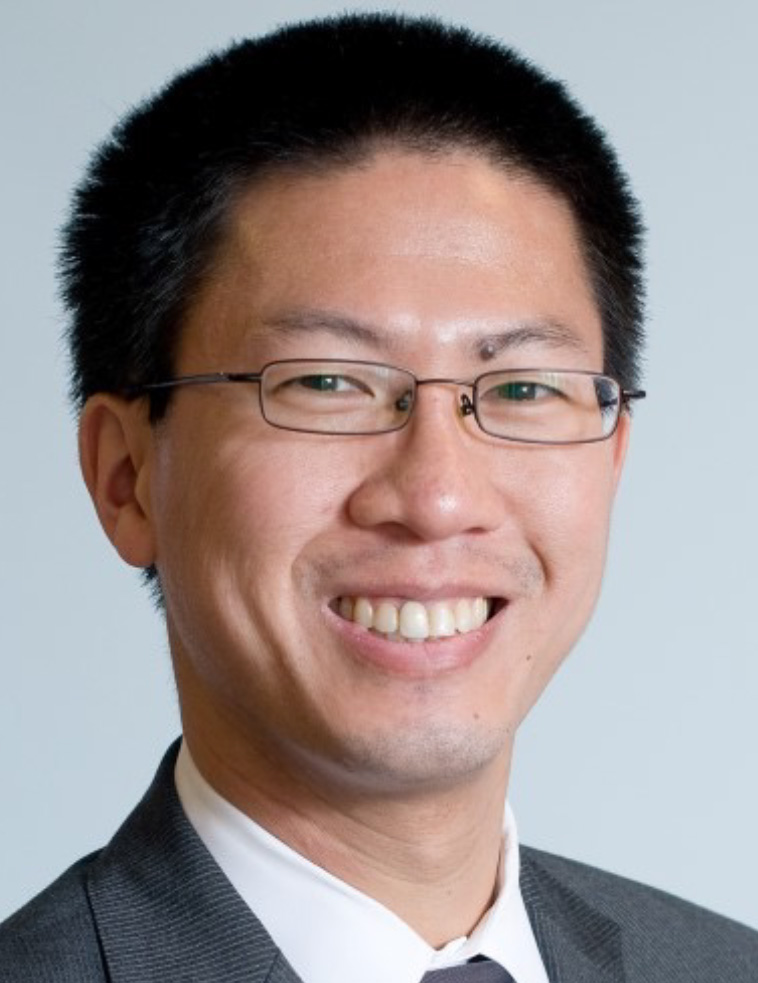
Andrew Yee, MD
Assistant Professor of Medicine, Harvard Medical School, Clinical Director, Center for Multiple Myeloma, Massachusetts General Hospital, Boston, MA
Dr. Andrew Yee, MD, is the Clinical Director of the Center for Multiple Myeloma at Mass General Cancer Center and Assistant Professor of Medicine at Harvard Medical School. He received his medical degree from Harvard Medical School, followed by residency in internal medicine at Massachusetts General Hospital and hematology and oncology fellowship at Dana-Farber Cancer Institute/Partners Cancer Care. He sees patients with multiple myeloma and plasma cell dyscrasias. He is actively involved in clinical trials in multiple myeloma, where he leads several investigator-initiated trials and serves as principal investigator on a range of multicenter trials.
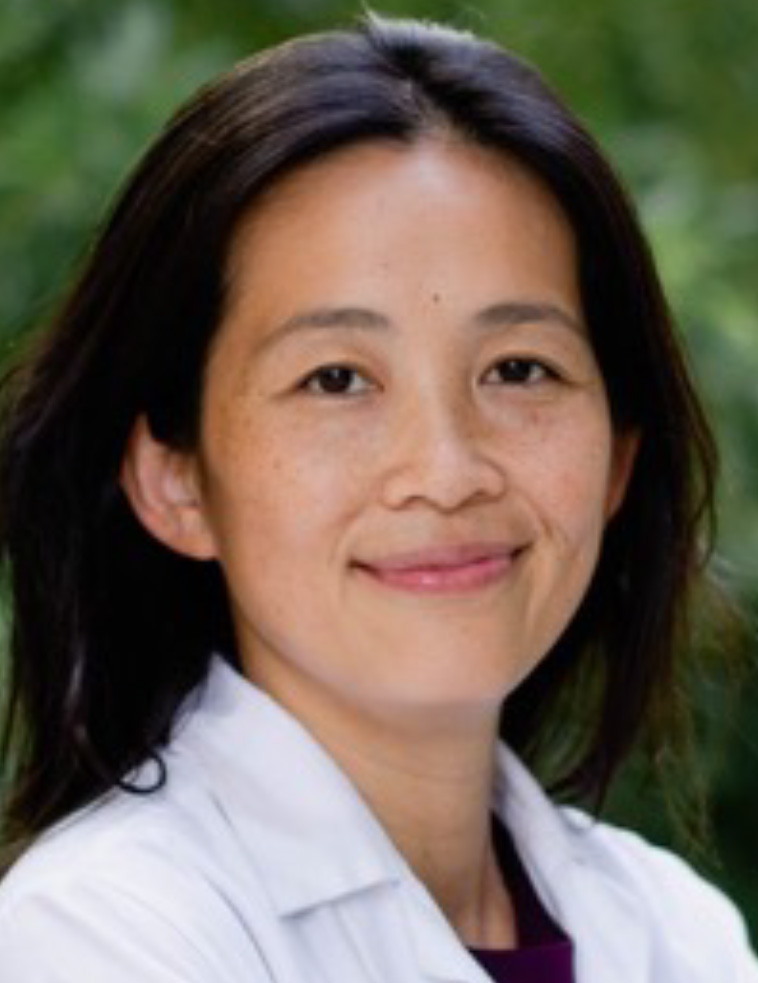
Tian Yi Zhang, MD, PhD
Assistant Professor of Hematology, Stanford University School of Medicine, Stanford, CA
Dr. Tian Zhang, MD, PhD, is an Assistant Professor of Medicine and board-certified hematologist at Stanford University School of Medicine and Stanford Cancer Institute. She specializes in myeloid-derived hematological malignancies, particularly acute myeloid leukemia, myelodysplastic syndrome, and clonal hematopoiesis. Dr. Zhang has been recognized by the NIH and the American College of Physicians and has published research on advanced therapies for high-risk myelodysplastic syndromes and AML-induced bone marrow failure. She is a member of the American Association for Cancer Research and the American Society of Hematology.
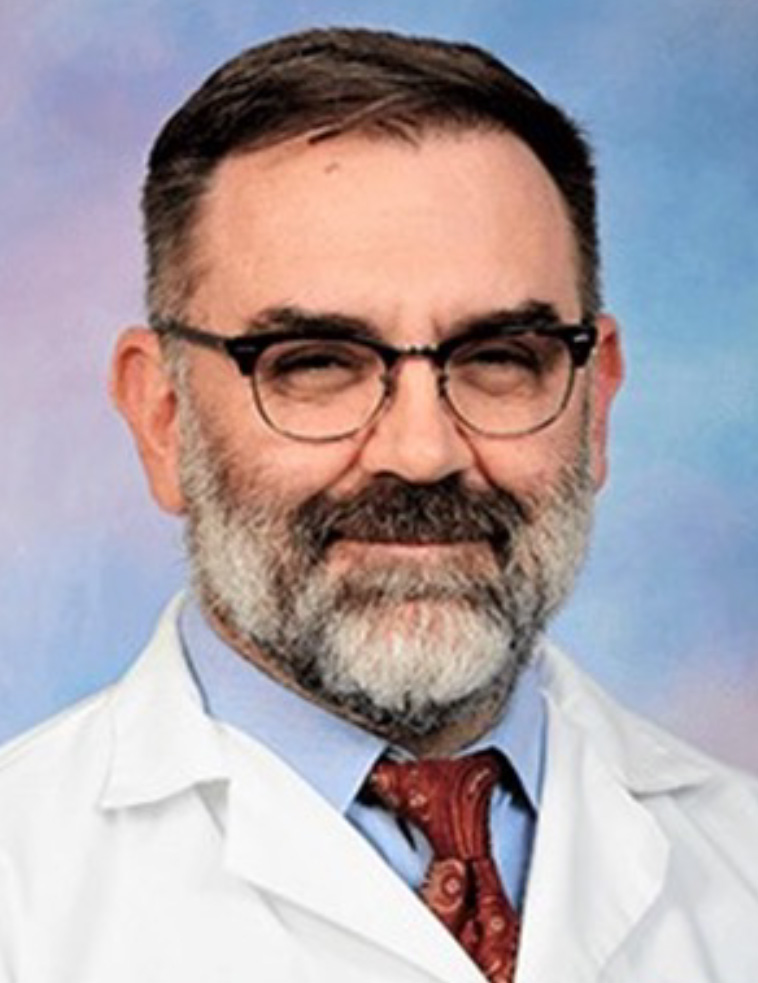
Jeffrey Zonder, MD
Professor, Clinical, Department of Oncology, Karmanos Cancer Institute, Wayne State University School of Medicine, Medical Director, Apheresis Unit, Karmanos Cancer Hospital, Vice Chair, M1 IRB Committee, Wayne State University, Detroit, MI
Dr. Jeffrey Zonder, MD, is Professor in the Department of Oncology at the Barbara Ann Karmanos Cancer Institute (KCI) and Wayne State University School of Medicine. He is the Leader of the KCI Multiple Myeloma and Amyloidosis Multidisciplinary Team. Dr. Zonder is also the Co- Leader of the Molecular Therapeutics Program at the Karmanos Cancer Institute. He is a medical advisor for the Amyloidosis Support Group Networks, and a member of the International Myeloma Working Group, the International Myeloma Society and the International Amyloidosis Society. He is a member of the Southwest Oncology Group’s (SWOG) Barlogie-Salmon Myeloma Committee. He has authored or co-authored numerous original research papers, review articles, book chapters, and research abstracts on myeloma and amyloidosis. Dr. Zonder completed a fellowship in hematology-oncology at Wayne State University and his medical residency at the University of Rochester, New York. He received his medical degree from Wayne State University School of Medicine.